How Procurement Managers Can Transform Experiences with Cutting-Edge Ecommerce Packaging?

How Procurement Managers Can Transform Experiences with Cutting-Edge Ecommerce Packaging?
According to Statista, by 2027, over 23% of consumer purchases would be made online and as an e-commerce CPO, you must have realized that the market is competitive.
This growth has made improving packing and shipping processes essential to recreate the personal touch of in-store shopping.
With hundreds of businesses selling similar products, standing out is challenging and hence you have seen a shift from the sell and forget model to relationship-based selling which focuses on creating customer loyalty and long-term relationships.
Over the years, the main job of packaging has been to protect products, so customers receive them in perfect condition, just like in a brick-and-mortar store. Packaging teams have often overlooked customer experience and satisfaction, in want protection.
But times are changing. One way to set your brand apart is through creative and thoughtful e-commerce packaging. So, what should you include in your packaging? Read on for six e-commerce packaging ideas that will truly delight your customers.
Keep Communicating
Speak Brand – Online shopping gives you a chance to keep talking to customers even after they’ve made a purchase.
Look at how brands like Zepto and Zomato who keep their fun vibe going through quirky messages on the brown paper bags, turning their boring paper bags used for e commerce into vibrant brand spokesperson.
It’s all about sharing your brand’s personality—even in your deliveries, think about adding a bit of your own style or a catchy phrase.
Answer Questions – Making sure customers get clear info about your product is another key area to keeping them happy and avoiding issues like complaints or returns.
Put product details and “how-to” right on your e-commerce packaging to guide them smoothly. For things needing assembly or specific instructions, include easy, clear steps on the package.
Easy to Reach – Returns are just a normal part of selling online, no matter how careful you are with quality. But they don’t have to be a headache for your customers or your business.
To make returns easy, include straightforward instructions right on your packaging.
Whether it’s a return label, a step-by-step guide, or even a simple QR code on the poly bags you use for ecommerce packaging, these make it simple for customers to manage returns smoothly.
This boosts their satisfaction and builds trust in your brand
Materials Matter
Sustainable Future – By now, we all get why sustainability matters. Consumers are willing to bet on, even with newer, lesser-known brands who focus on sustainability.
E-commerce brands in India should go for packaging made from recycled or recyclable materials. Packaging design that perfectly fits your product helps cut down waste by eliminating an additional packing layer.
Reuseable Packaging – Just picture getting your order in packaging your customers can use again and again. Reusable packaging not only cuts down on waste but also keeps customers coming back for more.
Globally brands are getting creative with ideas like collapsible boxes and packaging that doubles as storage solutions
Surpise to Delight
Little Extra – Surpise merchandise is a great way to grow your loyal community, enhance customer experience, and stand out from the competition.
Whether it’s gifts, coupons, stickers, magnets, free samples or references discounts, it puts a smile on your customers’ faces which helps build loyalty and drives repeat sales.
Make it a Memorabilia – Unboxing any Apple product is like a ritual. For a lot of customers, the excitement of carefully opening that perfectly snug box adds so much to the whole experience.
The box itself turns into a keepsake, reminding you of that special moment long after you’ve taken out the product.
Find a Right Partner
In a nutshell, e-commerce packaging could be a key to enhancing customer experience.
At Moglix, we assist companies of all sizes, big and small, in reimagining their packaging strategies. Whether it’s individual items or managing the entire shipping process, we’ve got you covered. Connect with our packaging expert to know more.

How CPOs Can use Ecommerce Packaging for Product Differentiation?

How CPOs Can use Ecommerce Packaging for Product Differentiation?
As a CPO, you know e-commerce is more than simply the product itself. It combines product, delivery and packaging together into a differentiated experience.
Unlike conventional storefronts, where customers can touch and check products, e-commerce is based on the visual and tactile experience of product delivery.
Focus on packaging, especially in e-commerce space can act as strategic for CPOs to reduce clutter and stand out, establish brand identity, and improve the entire customer experience.
Here’s how CPOs can use e-commerce packaging to effectively differentiate their products.
We will not delve into basics of packaging like “follow brand guidelines”, “speak the brand” or “be cost effective”. Those are bases that we are sure you have already covered. We will delve into areas that are inherent to e-commerce packaging.
Unboxing Experience is Inherent to E-commerce
The unboxing experience has become a crucial part of the customer journey. Thoughtfully designed e-commerce packaging can create a memorable unboxing experience, encouraging customers to share free, user-generated content that can significantly boost brand visibility and differentiation.
CPOs can work with designers to create packaging that surprises and delights customers. For example, unboxing any Apple product is more of a ritual.
For many customers, the theatrics of opening the perfectly snug fit box is an experience that adds value to their purchase, showcasing Apple’s meticulous design and attention to detail.
The box itself becomes a keepsake, symbolizing this memorable experience long after the product is removed.
Beyond the Apparent Use
Packaging needs to look good, be functional and especially in India, should have value beyond its apparent use.
CPOs should come up with designs that make things easier for customers, like for example, using resealable poly bags for e-commerce, which allow convenience, and sturdy boxes to keep items safe during shipping. In India households these bags and boxes are reusable.
Amazon did this with its frustration-free packaging, which is easy to open, recyclable, and makes shipping more efficient. This has made customers happier by cutting down on returns and has shown Amazon as a leader in packaging for online shopping.
Do more with Technology
Integrating technology into e-commerce packaging offers new ways to stand out. QR codes, for instance, can provide extra product details like sourcing and usage tips.
A brand that is consciously working to reduce its impact on the environment and uses tech to do so is Nike. It uses AR in its packaging, where scanning the QR code gives customers access to content such as sustainability initiatives, product info, styling tips, and promotions.
This technology focused strategy boosts engagement and creates a memorable brand experience.
Sustainability in Packaging Can’t be Compromised
Sustainability is a growing concern for organizations and consumers around the globe.
CPOs can differentiate their products by adopting sustainable e-commerce packaging practices by including recyclable, biodegradable, or reusable materials like paper bag packaging and poly bags for ecommerce in India. IKEA, a furniture company, has committed to eliminate plastic from its packaging by 2030.
They are also exploring innovative solutions like fully biodegradable packaging made from mushrooms, known as mycelium “fungi packaging.” This initiative is part of IKEA’s broader commitment to waste reduction and recycling.
Reimagining Product Differentiation with Moglix Solutions for E-Commerce Packaging
E-commerce packaging has come a long way from a mere protective layer to valuable, reusable commodity adding perceived value to the product itself.
For CPOs, focused on incorporating thoughtful design, brand alignment, technology, sustainability, and functionality into packaging can significantly enhance the customer experience and set their products apart in a crowded market.
However, as CPOs it’s essential to balance our admiration for design and branding with a commitment to sustainability and conscious consumption.
At Moglix, we help both big companies and startups rethink their packaging needs. We offer solutions that cover everything from individual products to the entire process of getting them. To know more, speak to our packaging expert.
CPG Procurement Heads Leaning towards Paper Packaging. Know Why

CPG Procurement Heads Leaning towards Paper Packaging. Know Why
As Procurement leader operating in the Consumer-Packaged Goods (CPG), you’re likely feeling the pressure to embrace more sustainable practices. Today’s consumers, especially after the pandemic, are looking for ways to reduce their carbon footprint. In India we have seen a trend emerging among top CPG brands – the switch to flexible packaging, specifically paper packaging.
Although the initial acceptance was sluggish, the rate of adoption has increased over the last couple of years. Industry giants like Walmart and PepsiCo have paved the way and are reaping real benefits by pioneering innovative practices that are driving this shift.
The story holds true not only for massive organizations with larger sustainability targets and budgets but also for various smaller hyperlocal startups. It’s time we understood the real reasons behind this growing wave and why now is the prime moment for your company to make the switch with the right partner like Moglix Packaging.
Paper Packaging is Versatile
Although the initial reason for accepting paper in packaging has been its green properties, the real reason why industries have persisted and embraced paper packaging is because of its versatility.
Advancements in manufacturing and design tech over the last decade have allowed for a wide range of paper packaging solutions, including rigid packaging for cereals and flexible packaging for snacks. Like plastic, Paper packaging is easily customizable, offering protection and a unique look that stands out on the shelves.
Curb Environmental Impact
Despite the popular belief, paper is not completely green, but the circularity it brings to the entire packaging ecosystem makes it a powerful raw material. Unlike poly bags, paper bags are biodegradable and far less complex to recycle.
The Central Pollution Control Board (CPCB) recently stated that India generates around 3.3MT of plastic waste annually. Shifting to paper packaging can significantly mitigate this environmental burden.
Government Regulations and Initiatives
Historically, the Government of India (GoI) has managed the plastic waste problem at State and Municipal levels, through education, bans and fines.
In 2022, India brought into effect the Plastic Waste Management Amendment Rules (2021) that banned 19 categories of single-use plastics.
Considering India is the 3rd largest producer of plastic in the world, these norms are going to push India up the global league when it comes to sustainable choices. By adopting paper packaging, you’re not just complying with these regulations—you’re staying ahead of the curve.
E-Commerce needs Paper Packaging
As per some estimates India’s e-commerce industry generated around 98000 tonnes of packaging plastic waste in 2021, that is equivalent to 98000 small cars. What is even more grave is the fact that this was a 73% increase compared to 2020.
E-commerce players with huge market penetration like Flipkart, Amazon India, as well as small e commerce Startups, are seeking ways to reduce their environmental impact. The Indian e-commerce market is expected to reach $200 billion (about $620 per person in the US) by 2026, and paper packaging will play a crucial role if this growth needs to be eco-friendly and sustainable.
Looking Forward
Paper is lighter than plastic, which reduces shipping costs, but there is no argument that transition to paper packaging is costly, but in the long run it will result in cost optimization, savings and positive brand image.
Additionally, it can streamline your supply chain by simplifying the recycling process and reducing waste management expenses.
Understanding these benefits will allow you to make a shift that will enhance the overall efficiency of your procurement process. Paper packaging can’t be seen as an alternative anymore; it is one of the preferred choices for leading CPG brands in India that aim to make a positive impact on the planet and their bottom line.
Procurement Leaders, by embracing this change, are positioning their brand for a sustainable future.
Moglix Packaging Solutions offer a variety of custom packaging solutions, and our packaging experts can assist you in personalizing the packaging requirements for your enterprise needs. Know more on how to seamlessly transition to paper packaging here.
Packaging`s Essential Role in B2B Product Marketing
Packaging`s Essential Role in B2B Product Marketing
According to recent reports, the sustainable packaging market is expected to reach US$ 490.5 billion by 2034. This underscores the demand for sustainable packaging in the manufacturing industry. It holds equal importance even in B2B product marketing with 66% of companies with such commitment. Let’s explore its importance and other aspects.
What is Packaging for B2B Product marketing?
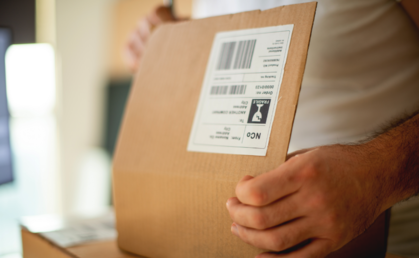
B2B packaging, though refers to packaging, differs from B2C packaging. Here, brands go for tailored packaging solutions designed specifically for B2B transactions. The packaging in B2B marketing primarily focuses on practicality and efficiency over flashy designs. Even the use of materials, packaging design elements, and functionality all aim to meet the needs of businesses rather than customer perception for scaling.
How Does B2B Packaging Stand Apart?
Packaging Design
The packaging in B2B marketing is more focused on functionality than aesthetics. The aim is not to dazzle with vibrant colours but to adopt a more straightforward functional packaging approach centred around goods safely and efficiently. For instance, consider IKEA that incorporates their signature blue and yellow into functional packaging elements like boxes and bags.
Functionality
B2B packaging involves sturdier materials that can assure protection against the rigours of industrial environments. For insrance, Caterpillar is known for using heavy-duty corrugated cardboard and metal banding for their construction equipment for safety against harsh environment. If the packaging can help ensure safe transport and handling, it will be best received by brands seeking to overcome supply chain challenges.
Target audience
B2B functional packaging appeals to businesses and professionals. This difference in target audience requires a unique approach to communicating a clear brand message while conveying reliability and trustworthiness. One of the best examples is Samsung that clearly details product information and diagrams directly on their packaging for users.
The rising importance of Sustainability in Packaging
With 75% of companies already being affiliated to explore sustainable packaging commitments, there has been a significant demand for the same in B2B product marketing. Eco-friendly packaging solutions are the new trend. In the rise of the circular economy, 30% of organisations have clear metrics surrounding recyclability content. This commitment is essential from the business’s point of view to enhance brand reputation and attract environmentally conscious clients.

Driving business success through Sustainable Packaging
Enhanced B2B Branding
Nearly 70% of B2B buyers think about sustainability as one of the top three priorities while partnering with suppliers. With sustainable packaging, businesses can easily improve their portfolio and build lasting relationships with B2B customers.
Improving Customer Satisfaction
Around 60% of customers from developing countries are looking for sustainability while making purchases. When you provide the same and ensure that products arrive intact and undamaged, it fosters reliability and counts for high customer satisfaction.
Driving sales and revenue
Eco-friendly packaging is no longer just a requirement but a competitive edge. Europe has experienced 36.7% revenue from companies with sustainable packaging. With increased B2B branding, well-competitive differentiation, improved customer perception, and reduced packaging waste, it is imperative for brands to experience high sales and revenue with sustainable packaging.
Conclusion
Sustainable packaging is not just a regulatory obligation. Now, you can also call it a strategic differentiator. That’s why brands are considering sustainability to packaging to gain a competitive edge and partner with environmentally conscious clients. Moreover, going for sustainable packaging initiatives can become a source of brand pride and a compelling selling point in the B2B marketplace.
Looking for the best sustainable packaging solutions? Partner with the right packaging solution provider. Moglix helps you with the right functional yet sustainable packaging innovations for long-term relevancy and impact. Visit our website to learn more.
Analyzing Consumer Perspectives on Food Packaging | the Positive, Negative, and Unappealing
Analyzing Consumer Perspectives on Food Packaging | the Positive, Negative, and Unappealing
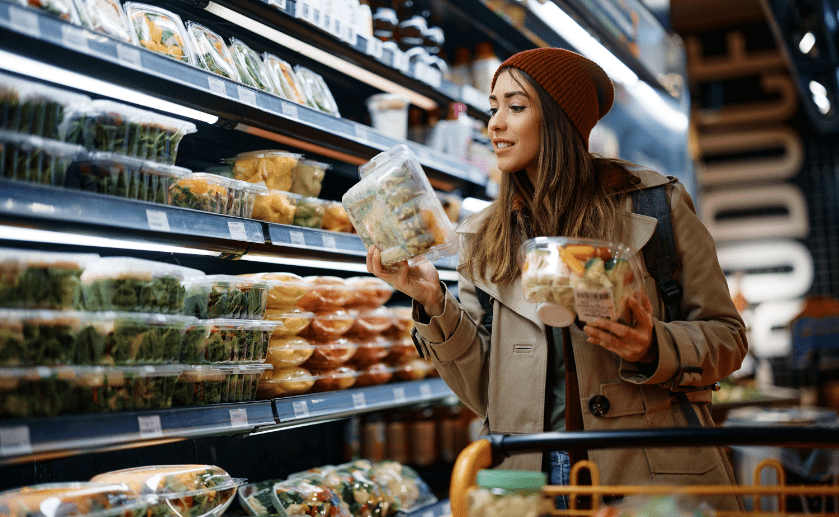
The packaging industry is going through new trends every year as per consumer behavior. Nearly 60% to 80% of customers want a “wow” factor during unboxing. The same consumer perspectives apply to food packaging as well. In this regard, it’s important to understand what food packaging factors excite them and what drives them to switch brands with the first impression.
Different Food Packaging Factors Affecting Consumer Perspectives
Convenience
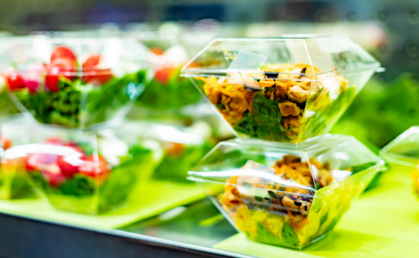
Would you not prefer a food package with resealable closures? Because they help keep foods fresh while you’re on the go. That’s one way of adding convenience to packaging. Weight is another factor. Lightweight packaging not only counts as one of the positive aspects but also saves companies a lot on shipping costs. Some other deciding factors could include the shape of the packaging, flexibility, ease of product dispensing, and serving portions.
Eco-friendliness
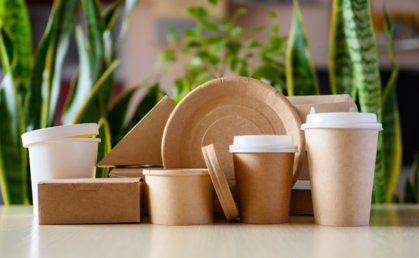
Nearly 69% of customers can g o for a premium price if the product is made up of sustainable material. This is a clear boost for brands to adopt eco-friendliness in packaging. The two biggest positive aspects of eco-friendly packages are they are non-toxic and allergy-free. That’s why customers with pets and toddlers feel safe with such packaging. Plus, eco-friendly materials are the biggest boost towards reducing the carbon footprint (greenhouse gases) in the atmosphere. Environment-conscious customers also know that this strategy can help them reduce toxic emissions by up to 45% by 2030 and reach net zero by 2030, as per the Paris Agreement.
Unclear labelling
If a product’s packaging is confusing, it can negatively influence the pacakging perceptions of customers. For instance, jumbled texts and tiny symbols drastically reduce customer engagement. It would be difficult to identify ingredients, understand nutritional information, and figure out portion size. That may also create a lack of trust and induce decision paralysis in customers. This is the reason brands highlight essential information in simple language designed with bold, readable font sizes. For instance, brands like Nature Valley, Honest Tea, and Ben & Jerry simplify their packaging language with icons, bold fonts, and relatable potion size indicators.
Overuse of plastic
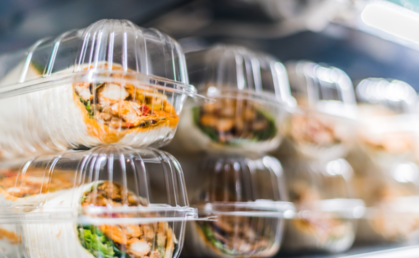
Despite so many environmental concerns, nearly 141 million tonnes of plastic packaging are generated every year. Surprisingly, 50% of those plastics are used only once. As a result, such packagings contribute to 1.8 billion tonnes of carbon emissions per annum. In this regard, customers are getting quite serious about reducing plastic usage to save the planet. As per a survey, around 87% of consumers expressed they would like online retailers to minimize the quantity of plastic in the packaging they use.
Looking for sustainability in your packaging solutions that positively influence consumer behavior and packaging perceptions of your brand?
Let Moglix help you with trending packaging innovations that score high on consumer perspectives. Visit our website to learn more.
Decoding Consumer Perspectives: The Impact of Food Packaging Trends
Contract Manufacturing Advantages: A Comprehensive Guide

Contract Manufacturing Advantages: A Comprehensive Guide
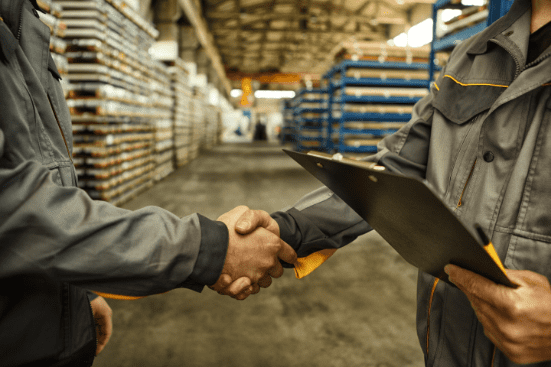
Contract manufacturing is growing a lot, especially in the Asia-Pacific area. Industries like electronics and pharmaceuticals are driving this growth. The global market is expected to grow by 5.3% each year from 2021 to 2030.
Along with the rising demand for custom goods and services, this trend shows how contract manufacturing can help save money and spark new ideas.
Companies can reach their goals, meet their needs, and keep the high standards they want when they work with makers to outsource production. The contract manufacturer produces the goods, tests them, and sends them to the purchasers.
Contract manufacturing vs. Traditional manufacturing (OEM)
Businesses often contemplate between contract manufacturing and OEM. They look at cost, control, and speed. A survey asked this to 163 industry professionals, and 85% chose contract manufacturing. Businesses aim to use resources better and want to focus on core tasks.
Contract manufacturing improves quality and brings new ideas. OEM offers more control and protects intellectual property. However, OEMs cost more and need to be more flexible. This shows contract manufacturing meets market needs and supports industry growth.

Outsourcing Manufacturing: Benefits
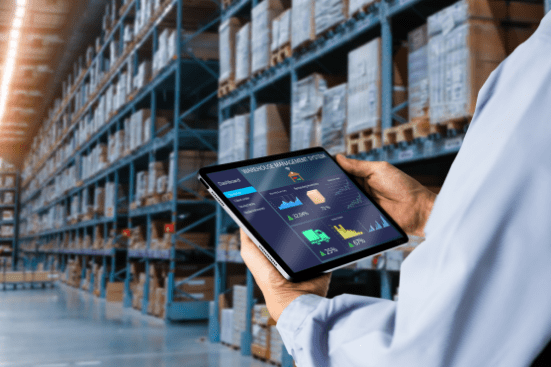
Last year, Apple started to make 12 billion iPhones in India. They focused on buying parts locally and making assembly better. Outsourcing manufacturing is getting more common. This way, they save money and get other big benefits, too.
- Proximity to End Customers: McKinsey has found less international shipping of products now. More goods are being made and sold locally, especially in growing markets. A good example is how semiconductor chips are made in Asia for local customers. This helps cut down on shipping costs and makes delivery faster.
- Operational Savings: By outsourcing, firms can close or make their local plants smaller. This lets them focus more on research and development and helping customers. It also cuts operation and ownership costs.
- Access to Raw Materials: Costs can go down for local manufacturers close to the source of raw materials. This is helpful for fields that need a lot of different materials, like the semiconductor industry.
- Specialized Suppliers: Dedicated suppliers are available in manufacturing hubs such as Asia. Local manufacturing makes precision equipment and technology more affordable.
- Product Development Expertise: Some countries are popular for contract manufacturing. For instance, Malaysia is an expert in electronics. It helps big companies like GE and Siemens produce faster and cheaper goods.
- Specialized Personnel and Equipment: Outsourcing allows access to special machines. It helps hire skilled people for short jobs. This means we don’t need temporary workers. We also don’t need to buy expensive equipment.
- Ease of Product Movement: Contract Manufacturers who know trade laws can move products easily between countries. This lowers the risk of legal problems.
Advantages of partnering with a contract manufacturer
In 2023, Intel partnered with eight companies in India to make laptops locally. They did this for a few smart reasons:
- Saving Money: Making things in India costs less because the workers and materials are cheaper. Intel doesn’t have to spend much money setting up its factories.
- Making Better Laptops: By working with these Indian companies, which are good at what they do, Intel can ensure their laptops are of high quality and get to customers without delay.
- Reaching More People: Intel is also changing some of their laptops so they can sell them in India and other new places where people are looking for good, affordable technology.
- Making things this way helps Intel save money, make better products, and sell to more people worldwide. It’s a clever plan to grow their business and develop new ideas.


Best practices for risks and compliance management
Your Request for Proposal (RFP) is very important when choosing a contract manufacturer. It helps you pick the best one by looking at their services, financial health, tech skills, and legal compliance. Make sure they have a strong history of success, know what they are best at, and can handle your project’s tech needs. Be careful about risks, like protecting your ideas and checking all legal details.
Final words
Companies can now choose where to make their products worldwide. This use of special skills and cost cuts has made manufacturing global. China is a big player in electronics and consumer goods. Southeast Asia, Eastern Europe, and Latin America are also important. The choice depends on labour costs, infrastructure, and how stable a place is.
To navigate the global manufacturing shift, learn more about partnering with contract manufacturers through insights from Moglix.

Navigating Seasonal Packaging Trends for 2024
Navigating Seasonal Packaging Trends for 2024
52% of consumers make repeat purchases from brands with unique packaging. Brands are finding new ways to make their product packaging match what customers want. They use cool designs made of recycled materials that match the seasons, like Christmas or summer. Let’s understand what new seasonal packaging trends you might see in stores this year.
Understanding what consumers like in Packaging
Did you know that 72% of people are more likely to buy items in a cool package? There are many things to consider to make a package look great. For instance, lots of folks love packages with bright colors and fun pictures, which makes them want to choose that item more than others. Besides making it look fun, companies also consider who will buy their stuff, like how old they are or if they live in the city or the countryside, and consumer behavior to make their packages look super appealing.
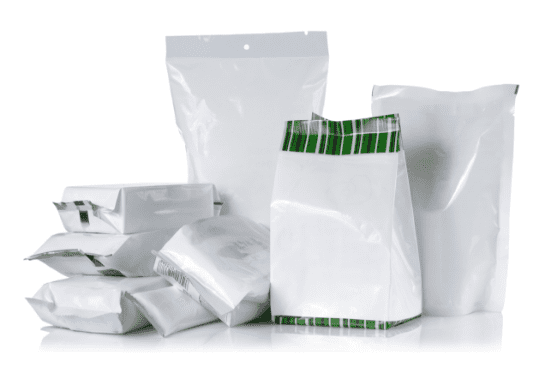
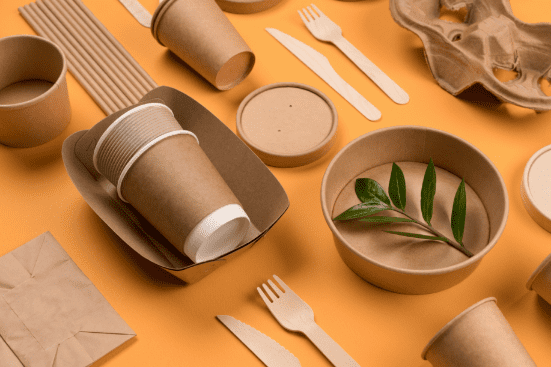
Top 2024 Packaging Innovations and Seasonal Market Trends
Sustainable Packaging
Nearly 69% of consumers are ready to bear extra costs for sustainable products. That is why sustainable packaging is the trend. In this regard, brands use eco-friendly materials to align with customer values. This also helps companies meet sustainability demands while maintaining packaging quality per consumer preferences.
Minimalism in Design
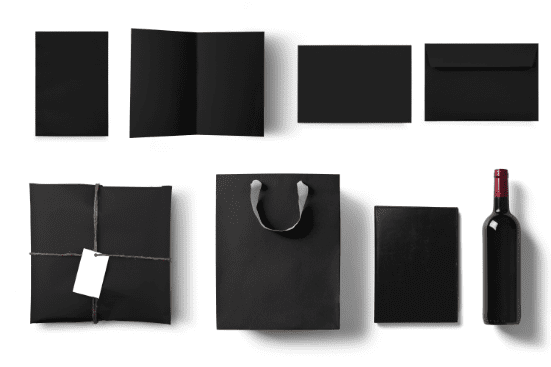
The demand for minimalist package design is also accelerating. As per the latest survey, around 76% of consumers like product packages with clean lines, simple color palettes, and uncluttered designs. All it takes is to bring sophistication and authenticity to stand out on those crowded shelves in that minimalist packaging aesthetics.
Interactive packaging
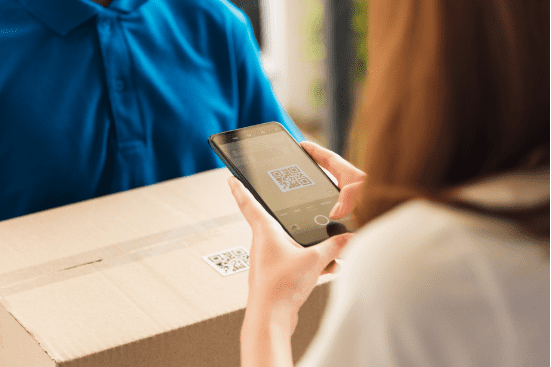
Big e-commerce platforms like Flipkart, Myntra, and Amazon also use interactive technologies (e.g., QR codes) in the packaging to increase consumer engagement. For instance, the QR code allows access to additional product information through the mobile device that brands find hard to fit into the package design.
Custom packaging
Big brands like Birchbox, L’Oreal Color & Co hair dye, Concrete Jungle, and Le Petit Trou have nailed custom packaging. Custom packaging means making packages that match special times of the year or big events. When companies put pictures or words that customers choose on the package, the product feels special and exciting. This also helps people recognize and love the brand more while meeting consumer preferences.
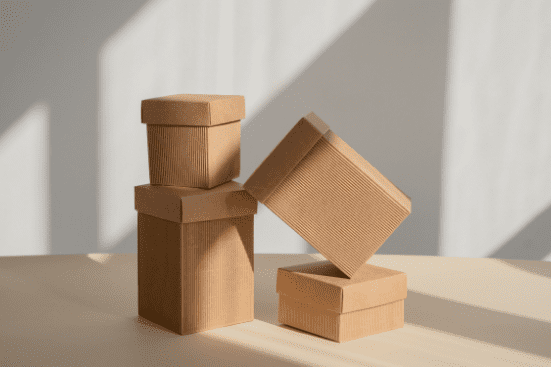

Limited edition (seasonal) product packaging
Limited edition packaging is when companies make special packages for certain times of the year, like Christmas or Halloween. They use colors, symbols, and pictures that remind people of that holiday or season. This makes customers feel happy and remember good times, which makes them more interested in buying the product and helps the company sell more.
End Thoughts
The packaging industry is seeing new packaging market trends based on consumer behavior. Brands are now paying more attention to personalized packaging to increase customer satisfaction. Focusing on completely sustainable packaging solutions is the best approach to staying ahead in the market.
Looking for ideal future-proof packaging solutions? Partner with the right packaging solution provider.
Choose Moglix to leverage the latest packaging innovations for long-term relevancy and impact. Visit our website to learn more.

The Life Cycle of Corrugated Packaging, why Recycling Matters
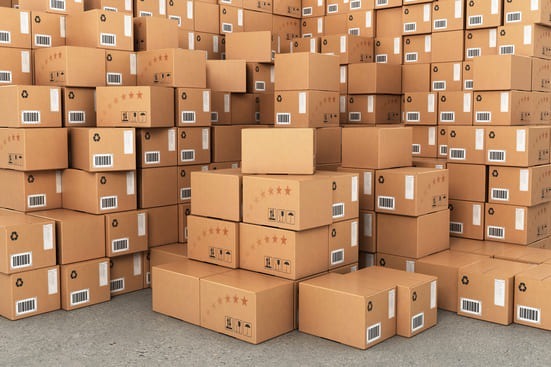
The Life Cycle of Corrugated Packaging, why Recycling Matters
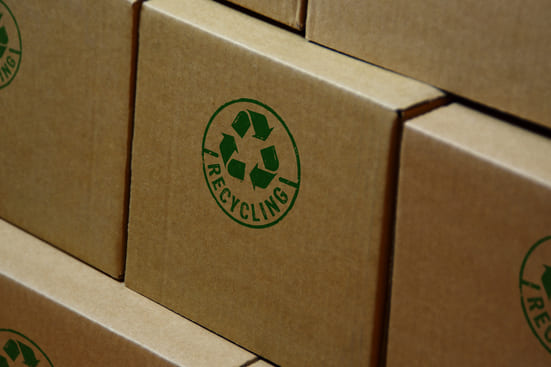
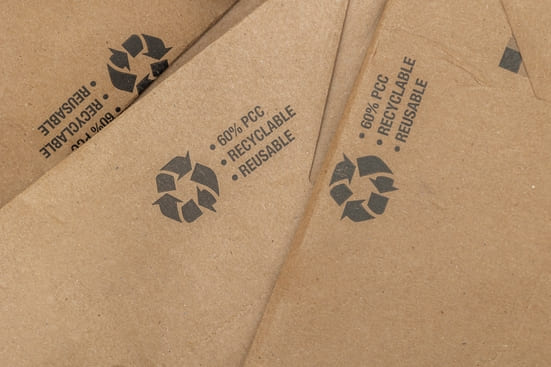
Corrugated packaging boasts a recycling rate of about 30% in India, one of the highest among packaging materials. This high recyclability indicates the degree of responsibility we have in managing its life cycle effectively. Understanding this cycle is the key to realizing why recycling isn’t just beneficial but essential for our planet. In this regard, this article covers the life cycle of corrugated packaging and highlights the vital role of corrugated recycling in fostering a sustainable future.
The Life Cycle of Corrugated Packaging
Corrugated packaging has a fascinating life cycle. It goes as follows.
- Creating the board: Corrugator, a key machine in this process, brings together three to seven sheets of paper to form a single, double, or triple wall board. This is a continuous process where sheets are corrugated, glued and cut to size.
- Corrugation: The process involves giving a v-shape to the medium sheet of paper (fluting) under heat and pressure, then applying starch and gluing it with inner and outer liners to form a rigid board.
- Converting: Post corrugation, the board undergoes various transformations like printing, die-cutting, folding, and gluing, as per custom requirements.
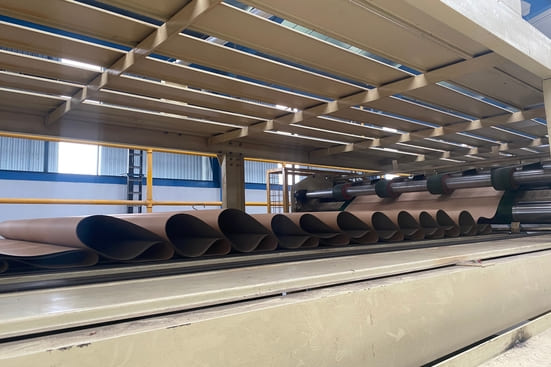
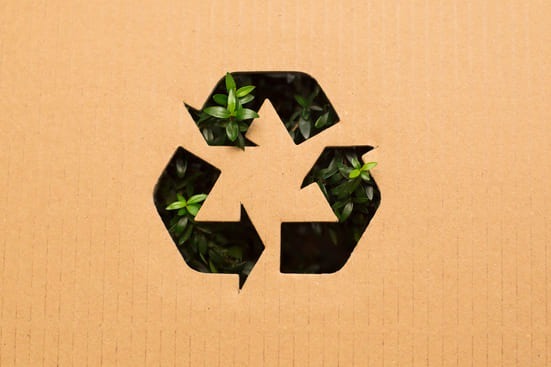
Recycling Significance and Process from Bin to New Packaging
Recycling cardboard is important for environment conservation and resource management. In this regard, recycling corrugated material reduces the volume of waste and landfill. This reduces the amount of methane emission to the environment which is 28 times more toxic than carbon dioxide. The cardboard reuse process is a fascinating cycle as described below.
- Collection and Transportation: Collection of recycled materials from different sources and transporting them to recycling centers.
- Sorting and Cleaning: Sorting collections using infra-red or air jets followed by cleaning them to remove contaminants.
- Shredding and Pulping: Shredding and mixing the collections with water to create a pulp to remove impurities before breaking them down into smaller pieces.
- Processing into raw material: Processing the output into raw forms, for instance, processing paper pulp into new paper rolls.
- Manufacturing new products: Sending raw materials to various manufacturers to be made into new materials.
- Distribution and usage: Distributing manufactured products into stores and businesses to be used by consumers.
- Consumer participation: Consumers choosing to recycle the product thereby completing the recycling life cycle.
Reduction achieved
The environmental impact of packaging is noteworthy. Between 2006 and 2020, the corrugated industry reduced greenhouse gas emissions per unit by 50%. This is a tremendous achievement towards tackling climate change. There was also a significant reduction in:
- Ozone depletion (13%)
- Energy usage (13%)
- Water usage (18%)
- Acid rain (41%)
- Smog (44%)
- Respiratory effect (54%)
- Eutrophication (30%)
Recycling rate
In 2022, the recycling rate of cardboard, including corrugated packaging, reached a remarkable 93.6% in the US, an increase from 91.4% in 2021. This makes corrugated packaging one of the most recycled materials in the country.
Benefits of Corrugated Packaging Recycling
Corrugated packaging recycling offers several environmental benefits. Here are some key benefits:
- Being sturdy, corrugated materials offer a higher weight capacity than traditional packaging.
- Corrugated packaging offers high customization to reduce waste production.
- They offer highly recycled material, aiding towards sustainable disposal and low carbon emission.
- A single corrugated box can be recycled and reused multiple times, making it affordable for companies.
- The use of new and recycled fibers supports a circular economy in packaging, maximizing resource efficiency.
Challenges and Innovative Solutions in Recycling Corrugated Packaging
The corrugated packaging industry is facing two biggest challenges.
- Supply-demand gap: There is a potential shortage of recycled paper products. With a growing demand for eco-friendly materials, there’s a risk of not meeting these sustainability goals.
- Collection levels: Despite high recycling rates, collection levels of high-quality recycled materials are expected to remain almost flat.
In this regard, the following innovative solutions can help.
- Enhance PET recovery from collection to sorting and processing
- Public-private partnership to boost local collection rates
- Improving sustainable packaging design to enhance material recovery

Global Perspectives on Corrugated Packaging Recycling
Globally, corrugated packaging recycling holds significant importance in sustainable waste management and resource conservation. For instance, in Europe, the recycling rate of corrugated cardboard is 82%, aiding the region’s circular economy and cardboard sustainability. Similarly, in the US, more than 93% of old corrugated containers were recycled in 2022, a significant jump from 54% recycling rates in 1993.
End Thoughts
Adopting corrugated box packaging could be your crucial transformation to sustainable solutions. In this regard, Moglix offers end-to-end corrugated packaging procurement solutions. Our personalized sustainable packaging options aim to meet your enterprise needs while driving you towards the forefront of green packaging solutions.
Revolutionizing Packaging: Adapting to a Post-Pandemic World

Revolutionizing Packaging: Adapting to a Post-Pandemic World
The COVID-19 pandemic has significantly impacted and transformed several industries, including the $413 billion per year Indian packaging industry. The industry started to face post-pandemic unique challenges with heightened concerns over hygiene and safety, but also rapidly shifted towards innovations in ways previously unimagined.
Pre-Pandemic Packaging Trends
Before the pandemic, the packaging trends slowly evolved towards sustainability and minimalism. However, the pandemic brought a growing demand for recycled packaging amidst the rising concern for curbing 3.4 MT of plastic waste yearly. Packaging trends post-pandemic are majorly driven towards:
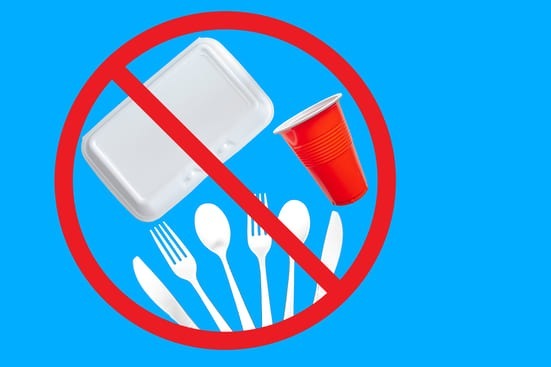
- Hygiene and Safety: The need for safe, virus-free packaging led to a surge in ban of single-use plastics
- Materials for sustainable packaging innovations: Aimed towards developing hygienic yet eco-friendly packaging solutions
Sustainability Amidst Safety Concerns
Despite the heavy demand for single-use plastics, there is still a trend for sustainability. The packaging industry is exploring various eco-friendly materials to reduce environmental impact. This is because of customer demand. As per the research, 69% of consumers are willing to pay more for sustainable products. These statistics underscore a strong market demand for eco-friendly packaging.
Eco-Friendly Packaging Materials and Practices
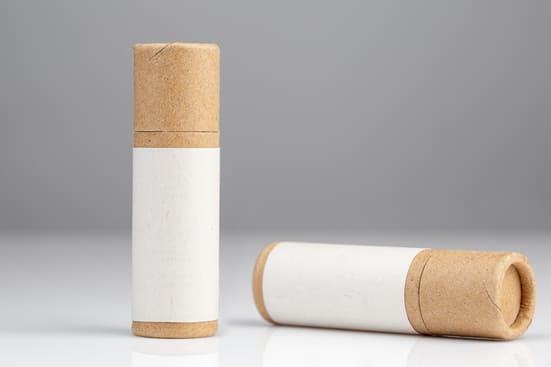
With a notable CAGR of 15.06%, India’s biodegradable packaging market is on the rise. In this regard, there is a notable trend in sustainable packaging, achieving lightweight. The aim is to reduce material weight to conserve resources and cut down on energy consumption with ease. The list of eco-friendly materials in demand are:
- Paper with recycled content
- Jute
- Sugarcane fiber (Bagasse)
- Corn and starch
- Wood – FSC certified
E-commerce packaging Boom
There has been a significant increase in the need for eco-friendly e-commerce packaging strategies post-pandemic. According to recent data, 2.3 billion consumers did online shopping at least once in 2022. While consumers are intending to spend double on online grocery stores, e-commerce industries are using smart packaging tactics using customer psychology. For instance, companies are using color psychology: blue for cleanliness, red for pleasure, and green for health-related packaging.
Consumer behavior and packaging preference
Consumer preferences in packaging have shifted significantly towards sustainability and minimalist packaging. 60% of Indians are willing to pay a premium price for sustainable products. Consumers increasingly want to understand the environmental impact of packaging materials. In this regard, packaging industries are exploring every type of recycled material, from recycled materials to biodegradable alternatives.
Also, there is a growing trend towards minimalistic packaging. It aligns with customers’ sustainability goals while simplifying recycling processes for industries.
Regulatory Changes in Packaging and Industry Responses
Governments worldwide have been revising regulations on the use of single-use plastics. For instance, India imposed a ban on 19 single-use plastic items on 1 July 2022 to push the industry towards sustainable solutions. On the other hand, the industry response to packaging challenges is also incentivized to adopt sustainable packaging practices.
Future Trends in Packaging
The packaging industry is witnessing several trends that are going to shape the future of packaging, such as:
- Smart packaging: With 20% environment-conscious Indian consumers, the packaging industry aims at enhanced consumer engagement and product tracking using smart packaging technologies.
- Circular economy models: A shift towards reuse and recycling of packaging materials to reach the circular economy of Rs 14 lakh crores by 2030.
- Customization and consumer experience: Shifting focus towards creating an engaging unboxing experience as 60%-80% consumers want a “Wow” factor.


End Thoughts
The pandemic has transformed the packaging industry as a beacon of innovation and growth. The industry is more focused towards creating customized packaging solutions to promise protection and deliver higher customer satisfaction. In this regard, Moglix is redefining packaging for a wide range of industries with its end-to-end sustainable packaging solutions to clients across India.
The psychology behind product packaging and brand identity

The psychology behind product packaging and brand identity
How can product packaging influence purchasing decisions? Dive into the mind of a consumer with these intriguing packaging insights.
1. Color Speaks Volumes
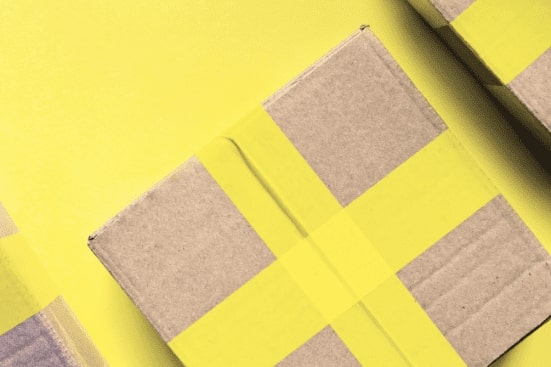
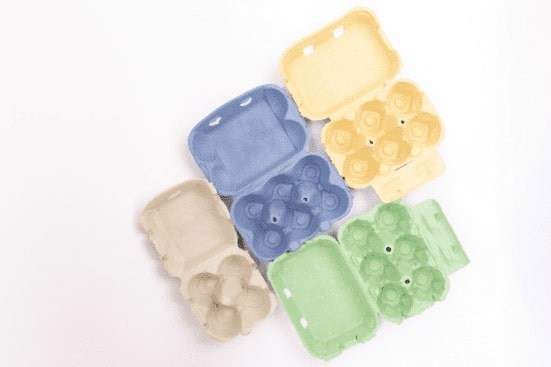
- Cultural Implications: Colors evoke powerful emotions. In the West, blue signifies cleanliness, leading to its use in toothpaste, cleaning solutions, and even toilet paper packaging. Red induces feelings of pleasure and is a favorite for snack packaging, while green screams health, making it ideal for natural foods.
- Context Matters: While black might be an odd choice for cereals due to its association with death, its luxury and power undertones have been harnessed effectively, as seen when Apple switched to a black design for the iPhone.
- Tailored for Target: Always remember color interpretations can vary based on culture, gender, and age.
2. Feel It with Texture
- Texture Tells Tales: Beyond just looks, the feel of a package speaks to its quality. While women’s cosmetics usually feel silky, men’s products have a rugged texture, enhancing the masculinity vibe.
- Matte Vs. Shiny: Many natural crisps brands opted for matte bags to distance themselves from unhealthy crisps, contrasting the shiny ones associated with unhealthiness.
3. The Magic of Imagery
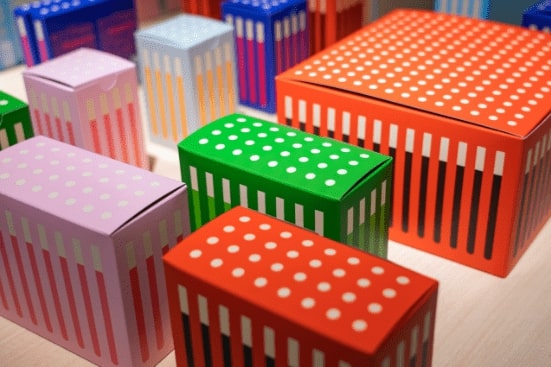
- Strategic Images: Using vertical stripes can create a luxurious feel. Showing a filled food bowl can entice consumers to eat more, and unrelated images, like a grain field on a grain-free product, can positively influence perception.
4. Shape Matters
- Shape Associations: Angular designs, like pentagon-shaped beer bottles, exude masculinity. In contrast, rounded shapes communicate gentleness and are suitable for family desserts. Also, square packaging can intensify food taste perceptions.
- Unique Shapes: Packaging with unconventional shapes can make consumers think there’s more product inside than there is.
5. Size Does Count
- Bigger or Better: Large packaging can increase consumption—great for snacks and essentials, making customers feel they’re getting a good deal. However, smaller packaging can denote higher quality, appealing to brands wanting to convey luxury.

How Packaging Shapes Brand Identity?
Product packaging is not just a protective shell or a mere selling tool; it’s a brand’s visual voice. Here’s how packaging influences brand identity:
- Brand Expression: Quality design distinguishes leading brands, making them memorable.
- Relationship Building: User-friendly packaging fosters loyalty and can justify higher prices.
- Communication: Effective packaging clearly conveys essential product details.
- Selling: Beyond initial sales, the packaging ensures repeat business through positive user experiences.
- Protection & Aesthetics: While design attracts, functionality ensures trust.
Conclusion:
Packaging is more than just a protective barrier—it’s an intricate dance of psychology and branding. Every design element holds weight, from color choices influenced by cultural nuances to tactile experiences that resonate with target audiences. How a product is packaged can profoundly affect consumer perception, drive sales, and build lasting brand loyalty. The subtle language communicates a brand’s promise, quality, and identity, ensuring it stands out and remains memorable in a sea of choices.