Best in food and beverage packaging
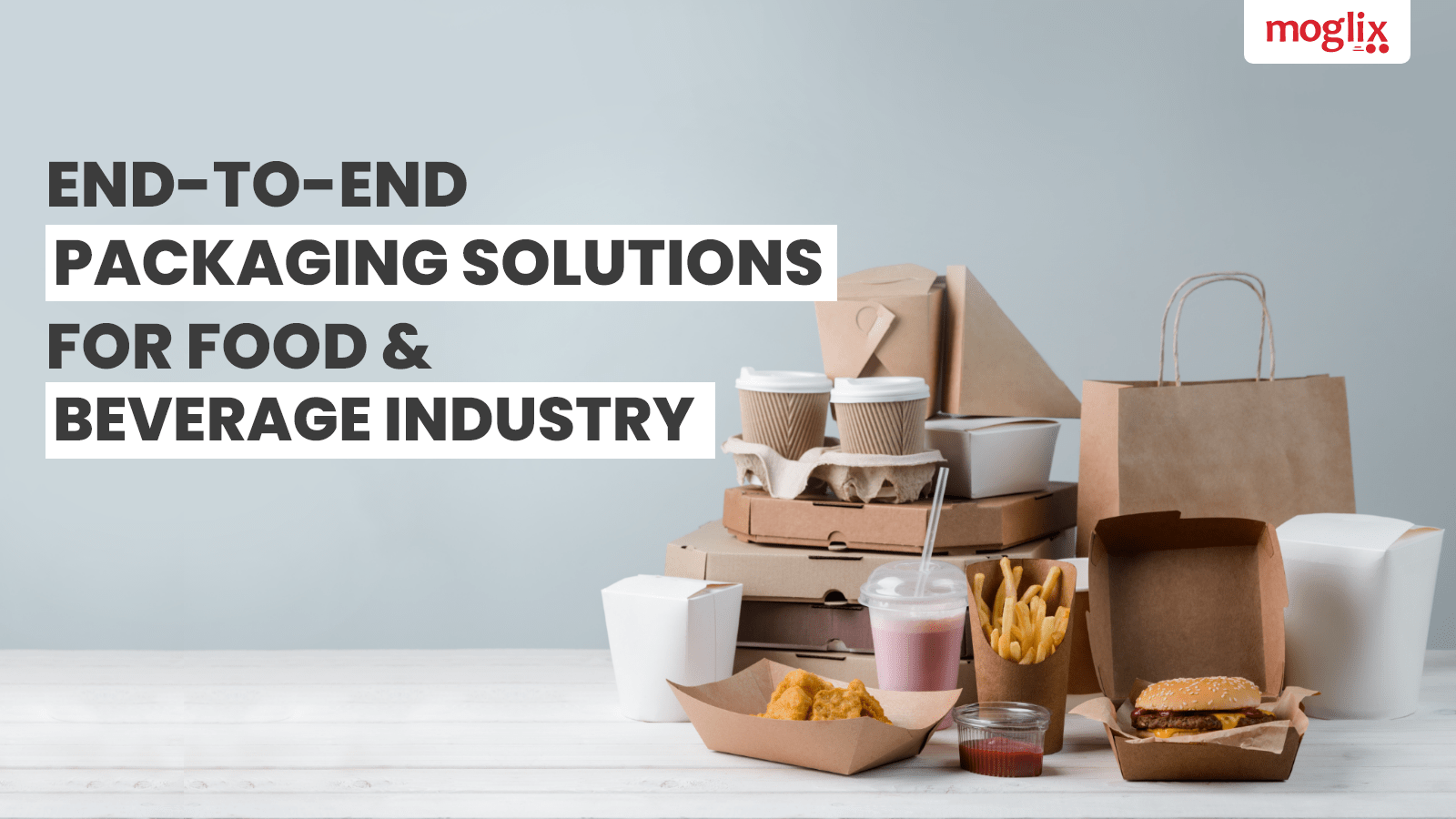
Best in food and beverage packaging
The global food packaging market is expected to grow from $338.34 billion to $478.18 billion byin 2028. In India alone, the industry is projected to reach $17.88 billion within the next 5 years. To truly stay ahead of the curve, businesses in this space need to constantly keep track of the latest developments in the food packaging sector.
If your organization is still facing packaging challenges,it is essential to identify why the right kind of packaging is necessary, in the first place.
The need for packaging in the food and beverage industry
Suitable and optimal food packaging offers the following benefits to your product and your business.
- Acts as a protection barrier between the product and external contaminants like oxygen, dust, and water vapor
- Promotes efficient handling by grouping small items together
- Allows transmission of information regarding usage, transportation, and product disposal
- Encourages consumers to purchase the product through the use of attractive packaging
- Helps detect tampering of the contents
- Makes inventory control easier
Types of packaging in the food and beverage industry
There are different types of packaging solutions for different businesses. Food and beverage packaging can be primary, secondary, or tertiary. Here’s what they each entail:.
- Primary packaging or inner packaging, which is in direct contact with the food or beverage product
- Secondary packaging, which is used to hold multiple primary packages
- Tertiary packaging or external packaging, which is used to protect secondary packaging during transit and storage
Forms of food and beverage packaging
Businesses operating in this sector can choose from different forms of packaging, each with varying levels of sustainability. Some common options are —
- Cardboard boxes or cartons
- Metal cans
- Glass bottles
- Shrink-wrap packaging
- Fabric based packaging
- Pouches
The latest trends in food and beverage packaging
Given the sensitive nature of the products involved, packaging in the food and beverage industry is about more than just eye-catching aesthetics. Packaging innovation is the need of the hour, as is sustainability. Check out some of the latest trends in food and beverage packaging.
- Frustration-free packaging
- Transparent packaging with clear labels
- Personalized eCommerce packaging
- Sustainable packaging
- Refillable packages
- Interactive packaging
Challenges in choosing the right type of packaging
Businesses in the food and beverage industry may face many roadblocks on the journey to streamline their packaging operations. Some of the most common challenges include —
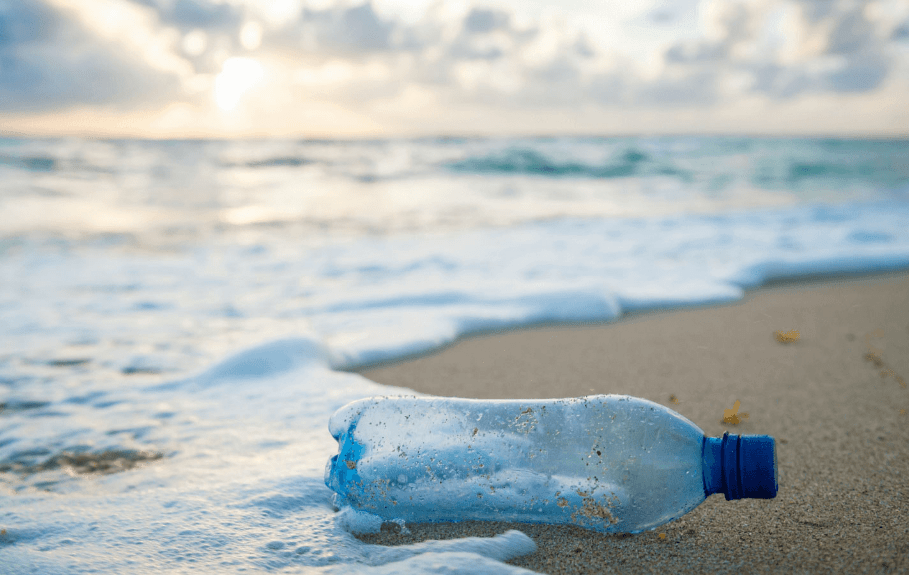
- Elimination of single-use plastic
- The durability of frozen food packaging
- Balancing sustainability with quality
- Elevating the unboxing experience
- Upscaling or downsizing packaging as required
Overcome the challenges in packaging
With sustainable options for primary, secondary, and tertiary packaging, Moglix gives you simple yet effective packaging solutions. Visit our website to learn more and understand what’s best for your business.
Discover how Moglix unlocked 2% cost savings on Packaging Procurement Spend of INR 24Cr.
Discover how Moglix unlocked 2% cost savings on Packaging Procurement Spend of INR 24Cr.
Discover how Moglix unlocked 2% cost savings on Packaging Procurement Spend of INR 24Cr.Read More
How Packaging Plays a Crucial Role in E-commerce and Retail
How Packaging Plays a Crucial Role in E-commerce and Retail
Over the past few years, the retail sector has witnessed a drastic transformation. At the forefront of this transition has been the exponential growth of the e-commerce sector fueled by consistently rising customer demand and e-commerce which has become an extremely important element of retail.
Packaging as a Key Element of the E-commerce Sector
It is no secret that the packaging of any product is an integral part of its marketing mix. Since the products offered through e-commerce lack the traditionally coveted element of tangibility, their packaging plays an ever more critical role in drawing customer attention and driving positive purchase behavior.
Ask yourself: If you are looking to buy any product on an e-commerce website, would you choose an attractively packaged product or a poorly packaged one? Whilst aesthetics is not everything, they convey an organization’s attention to detail and its commitment to presenting that offering, thereby making packaging significant.
What are the Packaging Challenges faced by the E-commerce Industry?
With businesses constantly evolving and old approaches making way for innovative and sustainable alternatives, packaging in the e-commerce industry is also in a consistent mode of transformation. Whilst the cost of packaging remains a major element in the decision-making of an organization in the e-commerce and retail sector, there is now a major emphasis on the impact of packaging on the environment.
Therefore, organizations are now looking for new packaging approaches that can encompass durability and cost-effectiveness whilst being eco-friendly. Here are the major challenges that organizations are facing in achieving this balance.
- Making packaging durable: Unlike a physical shopping experience, an online shopping experience presents some time lag between a product being purchased and delivered to the customer. Hence it is pivotal for the packaging to be sturdy. The durability of the packaging has a direct bearing on the lastingness and usability of the product it contains.
- Enhancing the unboxing experience: When a product is delivered to your doorstep, there is an inevitable sense of excitement to unbox it. Therefore, organizations are focusing on the design and structural aspects of the packaging without affecting the cost too much.
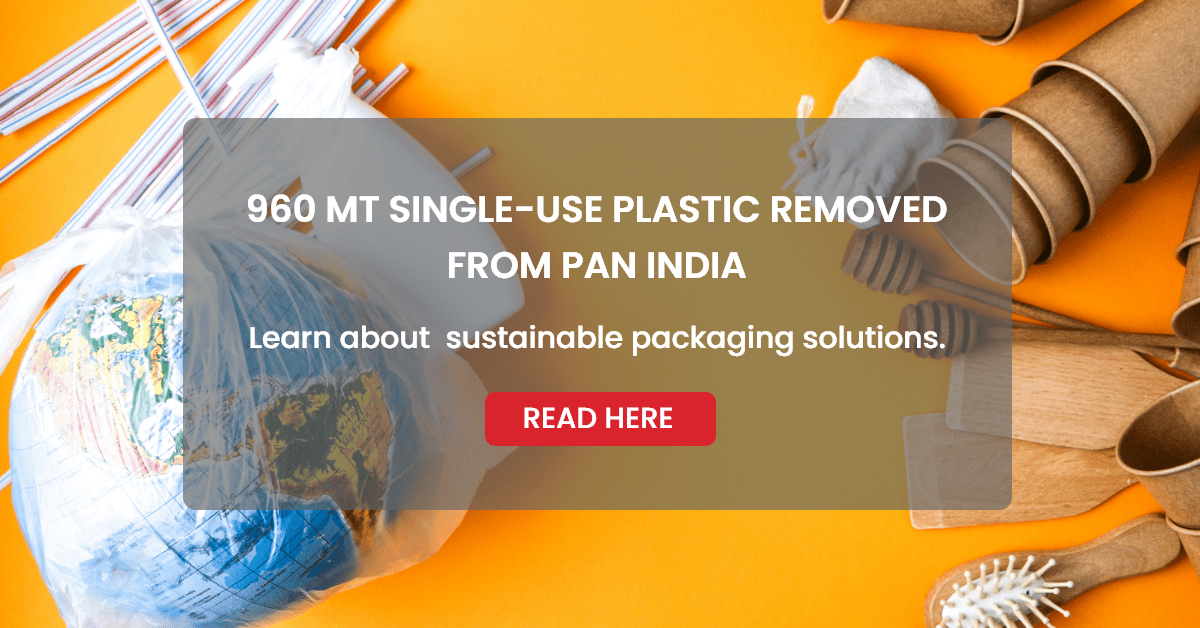
- Protecting the environment: Another key challenge faced by e-commerce organizations in their packaging-related decision-making is the use of eco-friendly materials. The use of single-use plastic has been banned in several countries and is discouraged in several others. The focus has, thus, shifted to biodegradable packaging materials.
The most Optimum Solution for Sustainable Packaging
If you are looking for a dedicated packaging development team to transform the way your organization approaches packaging, then look no further. Moglix is India’s largest packaging solutions provider with capabilities to serve peak demands pan India with an integrated Supply Chain and warehouse network.
Moglix offered corrugated boxes to one of the leading ecommerce brand (Link to be added) iand has reduced their carbon footprint. Moglix offers an array of customized sustainable packaging solutions like paper bag products, Jute products, corrugated boxes, wooden crates.
Know more about our green packing solutions here!
Moglix helping companies solve their enterprise packaging challenges
Moglix helping companies solve their enterprise packaging challenges
The packaging vertical of Moglix claims to meet the needs of around 70 percent of e-commerce orders in the country. Shobhit Goel in discussion with Paper Mart shares insights on how Moglix is helping companies gain visibility with aesthetically crafted packaging Solutions
PM: Please shed some light on Moglix and the key accomplishments of the company so far?
SG: The digital supply chain ecosystem of Moglix brings together 7 lakh+ SKUs of indirect procurement, packaging, infrastructure construction materials, made-to-order manufacturing, and supply chain cloud SaaS products to create the largest catalog for B2B commerce in India.
“Moglix Solutions has been able to transform MRO procurement and packaging for global enterprises using a state-of-the-art unified procurement platform. At present, we are working with over 600 large-scale enterprises.”
PM: Please tell us about the product range on the platform.
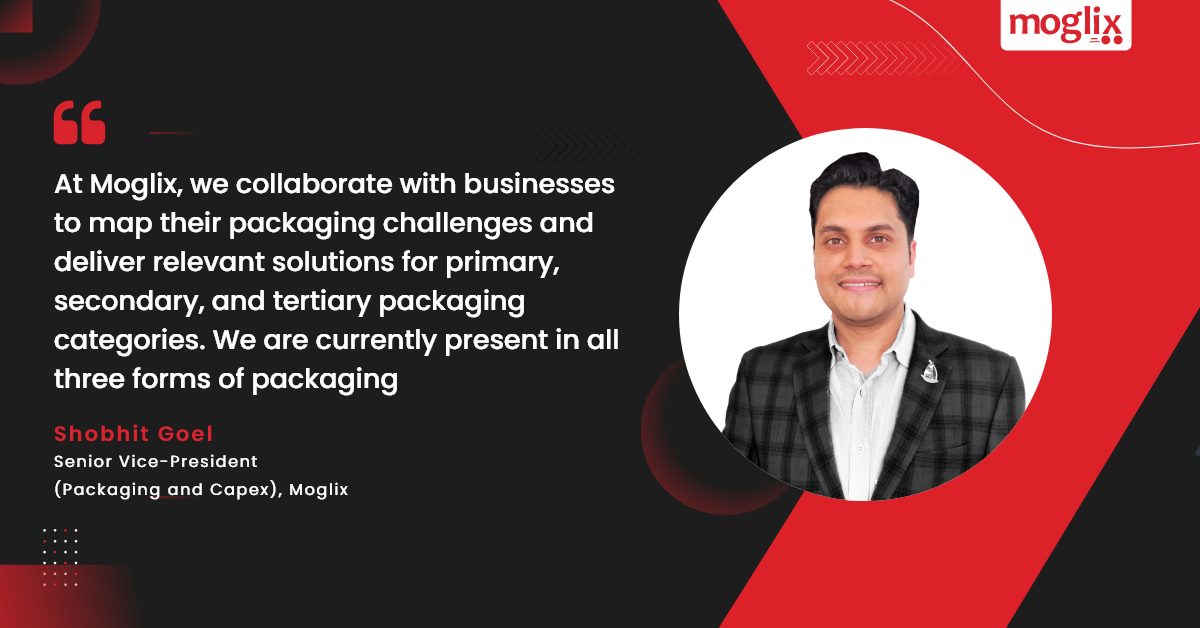
SG: As I mentioned earlier, we have several verticals, such as MRO, infra solutions, manufacturing as a service, fashion and packaging. With respect to Packaging solutions, we at Moglix, collaborate with businesses to map their packaging challenges and deliver relevant solutions in the primary, secondary and tertiary packaging. We currently serve all three types of packaging.
PM: What are the future plans of the company?
SG: This is just the beginning! We believe that paper is a strong segment and will continue to focus on that aspect.
“There is a scope for improvement in R&D, and assessing the ways to make paper packaging even more sustainable and reduce the carbon footprint of the paper mills.”
The Future of Sustainable Packaging for Manufacturing in India
The Future of Sustainable Packaging for Manufacturing in India
Sustainable Packaging is the need of the hour – with just under a decade left to achieve the sustainability goals.
The Plastic Waste Management Amendment Rules, 2021, announced in August by the Union Ministry of Environment, Forest, and Climate Change (MoEFCC), identified that 20 Single-Use Plastic Products (SUPs) will be phased out by next year. In India, 18 states have already implemented a complete SUP ban, but the upcoming July milestone will extend the legislation across the country. The shift to more sustainable packaging material will need to be swift, and manufacturers will need to display vision and plan not to be impacted by supply chain disruptions in the transition process.
The Search for Alternatives Begins:
Paper is a more sustainable option than plastic. Industry figures indicate that packaging consumes more than 49% of all paper produced in India.
Eco-friendly Innovations that will dominate 2022
Repeat-use packaging
Bio-based Plastics
Paper-based packaging
Edible packaging
How can brands play a more prominent role?
Product packaging plays a prominent role in the purchase decision of the consumer. Primary packaging makes a difference to the customer’s first impression and the brand recall later.
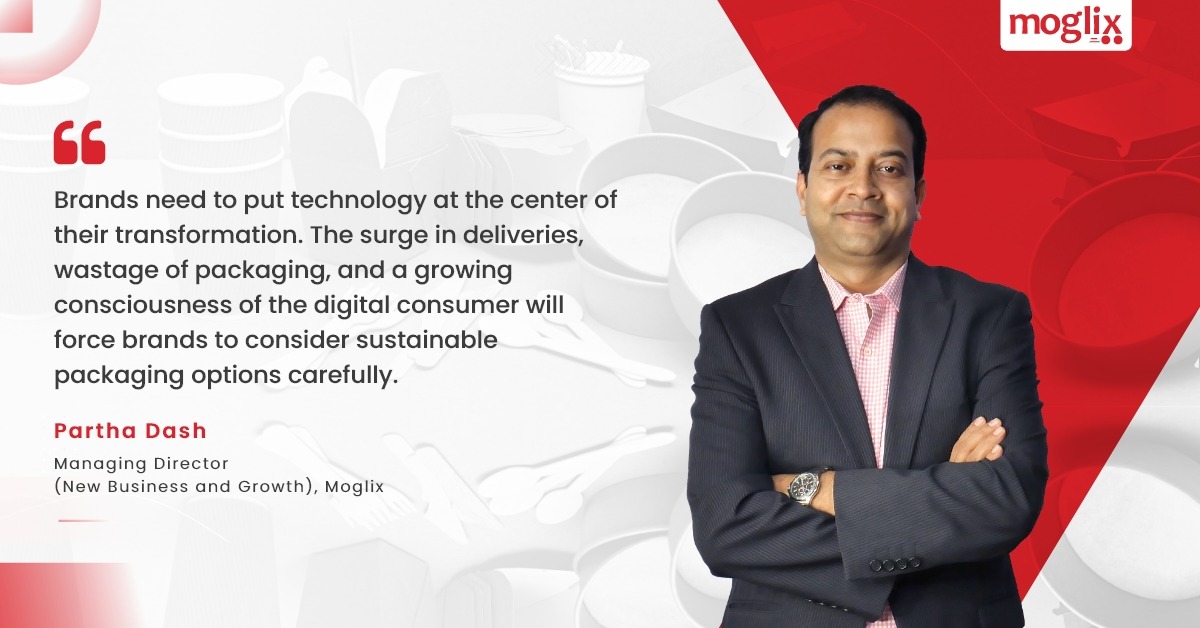
Brands need to put technology at the center of their transformation, create robust governance models to govern operations and collaborate with a broader ecosystem to make a significant impact footprint.
What will drive sustainability in packaging?
By placing digital technology solutions, material innovation and process optimization at the core for a better tomorrow, the government, businesses, and the supplier ecosystem can usher in a new age of conscious commerce.
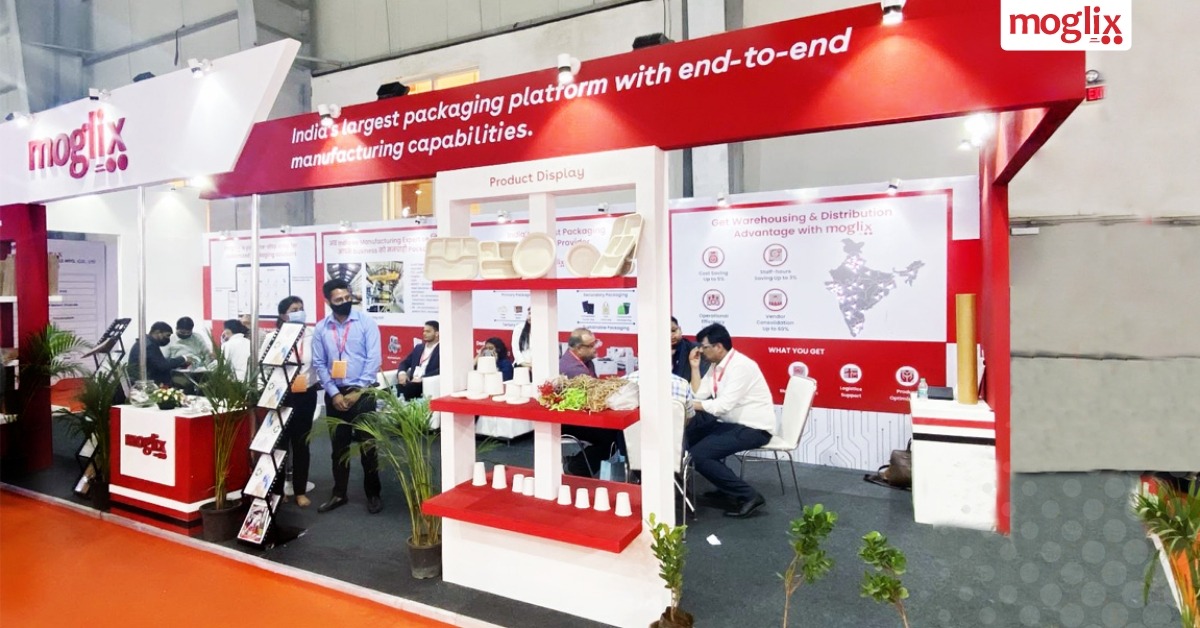
Moglix Packaging Solutions Exhibited at Paperex 2022
Moglix Packaging Solutions Exhibited at Paperex 2022
At Paperex 2022, Moglix reinforced its vision and mission as the country’s largest integrated packaging solutions provider. Moglix Packaging was showcased with various products, such as paper bags, paper tubs, bagasse trays, corrugated boxes, compostable bags, paper tapes POSS, shredded papers, paper cups, along with raw materials demonstrating a range of specialty papers for converters.
Moglix is also a manufacturer of packaging products and raw materials (Paper, Poly and Aluminum roll), exhibiting full-stack paper-based offerings from raw materials to finished goods.
Moglix fulfills more than 70% of the e-commerce industry’s packaging demands, including inventory management that stretches across 35 warehouses in pan India. It provides an end-to-end supply chain of paper products through strategic tie-ups with different mills, converters and JIT fulfilment by leveraging its pan-India distribution network.
Paperex 2022 is one of the largest Paper exhibitions in the country. The event was accompanied by research and development professionals from academic institutions, product users, customers from the printing and publishing industry, decision-makers from well-known industries, sourcing personnel, paper technologists, promoters, and many more. The exhibition showcased Moglix capabilities on a national and global scale.
Through this platform, we established long term relationships with various stakeholders in the paper industry, and contributed towards creating a sustainable and stronger supply chain across the manufacturing value chain.
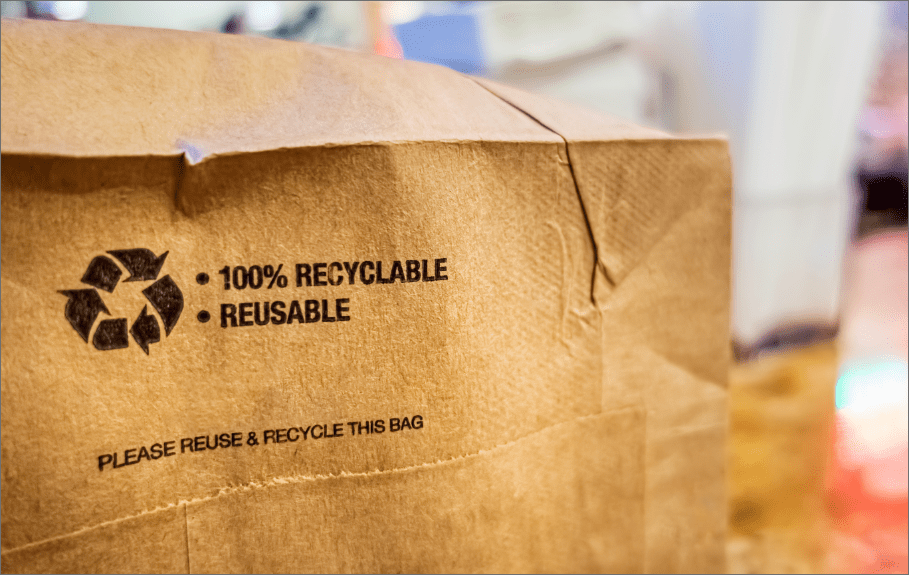
Sustainable Packaging Trends for FY 2022-23
Sustainable Packaging Trends for FY 2022-23
The surge in deliveries, wastage of packaging, and a growing consciousness of the digitally savvy customer will force brands to consider sustainable packaging options carefully. Most studies indicate that consumers also evaluate brand packaging on their green footprint and low-touch point processes (the lesser, the better).
Here are the most important reasons why brands should strongly consider transforming their packaging usage:
- Be the ‘right’ brand – Customers prefer brands with more sustainable packaging than their competitors.
- Talent retention – By doing the ‘right thing,’ brands build the perception of being a responsible producer, which affects employees’ morale and loyalty.
- Reduction of carbon footprint and costs – extends to the financial and social responsibility aspect advantages, which are measurable.
- Investment opportunities – the world is veering towards investing responsibly, and larger AUMs focus on brands adhering to ESG norms.
- Key trends that are emerging in the sustainable packaging world and will shape the packaging industry. Sustainability has become the most important driver for intelligent packaging growth.
Brands are continuously working in improving their packaging to make it more eco friendly throughout the supply chain. Brands are switching to renewable energy and are practicing recycling.The real question is how do one keep their packaging both sustainable and distinctive?
Examples of Sustainable Packaging Alternatives
Here are some examples of alternative materials that could play a significant role in the packaging industry in the next few years:
- Bio-based Plastics – Bio-based plastics typically use food crops such as corn and sugarcane, both available in surplus in the country.
- Polylactic acid (PLA) – Transparent solid polymer that is similar to PETE polymer but has a significantly lower maximum continuous use temperature
- Poly hydroxyalkanoate (PHA) – is a much more eco-friendly polymer that can handle high temperatures and decompose in soil and waterways. Both alternatives are made from fermented corn sugar, and they can decompose up to 90% within 90 days if disposed properly.
- Paper-based packaging – Corrugated box and other forms of paper-based packaging are biodegradable if it does end up in landfill, can be easily recycled by end-users, and the raw material is carefully managed (basically planting more trees)
- Edible packaging – Natural polymers in food packaging, like Algae, seaweeds, polysaccharides, proteins, lipids, or composites.
As one of the world’s largest packaging supply chain platforms, our endeavor to digitize end-to-end procurement is what manufacturers need to capitalize on the massive influx of demand for better packaging solutions soon.Moglix is helping 700+ customers and 18000+ suppliers manage demand and supply worldwide
Moglix Packaging Supply Chain Solution Reduces The TAT by 20% for a Leading Interior Design Solutions Company

Moglix Packaging Supply Chain Solution Reduces The TAT by 20% for a Leading Interior Design Solutions Company
Moglix Packaging Supply Chain Solution Reduces The TAT by 20% for a Leading Interior Design Solutions CompanyRead More
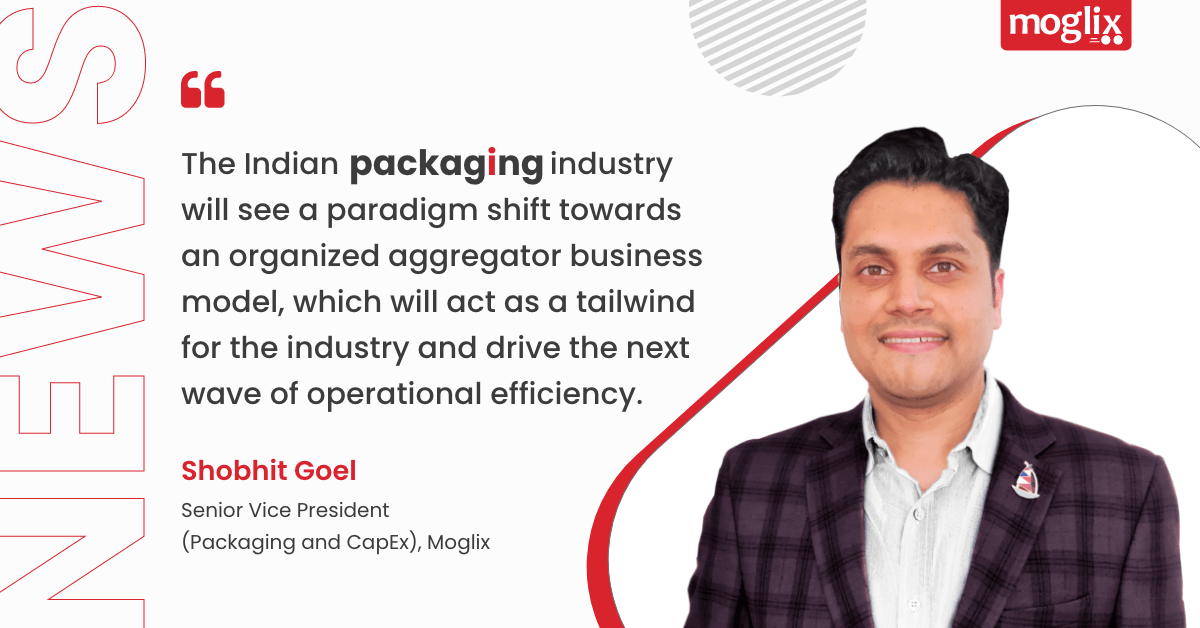
The company brings complete packaging supply chain solutions all in one place
The company brings complete packaging supply chain solutions all in one place
Rahul Garg founded Moglix in 2015 to bring the ease, speed and convenience of E-commerce to the B2B world. This manufacturing sector company is a B2B E-Commerce startup providing services for procurement of industrial products such as MRO items and Packaging.
As a contract aggregator and supplier of packaging materials since 2019, the company has worked for brands such as Zomato, Swiggy, Lenskart.com, IRCTC, Comesum, Rebel Foods, and several others. In packaging supply chain procurement, its efficiency comes from its expertise in leveraging volume purchasing with the use of digitalization, vendor consolidation, product and pricing uniformity, benchmarking, and new product development.
The company offers primary, secondary and tertiary packaging made of all materials – paper, plastics and films, metal or glass. Packaging types and formats include food trays, pet bottles and jars, laminates, sachets, pouches, kraft sealable bags, lamitubes and many more.
Moglix’s onsite delivery of sustainable SKUs such as paper bags, compostable bags, molded trays, bagasse trays, cotton carry bags, and bespoke biodegradable packaging are provided to more than 25,000 pin codes. The company inventory management stretches across its 35 warehouses across the country. Food and beverages, E-commerce, ePharma, and logistics are the company’s main customers and its packaging materials fulfill more than 70% of the E-commerce industry’s packaging demands.
The company’s USP is in its ability to provide complete packaging and supply chain solutions in one place. The customer does not need to go to another platform to find the component. Customers are provided with access to a buyer’s portal where they can track their current order along with re-ordering.
The company’s business is scalable as Shobhit Goel, Senior vice-president of Packaging and CapEx at Moglix adds, “We operate as an entire ecosystem of packaging supplies right from raw material to the finished product. We have recently kicked off operations in the UAE and are planning to tap the global market.”
Packaging Compliance: A Global Perspective
Packaging Compliance: A Global Perspective
Of the developing countries involved at the UN COP26 Summit in Glasgow last year, India was way ahead in the ambition of its commitments. Led by PM Modi, India is committed to increasing the generation of non-fossil fuel-based energy to 500 GW, which will account for more than 50% of our energy requirements in 2030. We also agreed to cut carbon emissions by 1 billion tonnes. Accounting for a business as usual scenario, India’s carbon emission would be tallied above 4 billion tonnes without special efforts to reduce carbon emissions. Essentially, this means we will cut emissions by about 22% percent by 2030. India will also cut its carbon intensity by 45 % in the same period, which means we will allot renewable energy to a larger cross-section of industry and commerce sectors to reduce dependence on fossil fuels.
The targets are ambitious but achievable. The reason we say achievable lies in the definition of net-zero. Simply, net-zero by 2050 means that the world, our country included, will be able to offset carbon emissions to the environment by balancing them with carbon removed from the atmosphere. There are many ways to orchestrate this balance—packaging material, used by 99.99% of manufacturers in the country, adds to the waste management requirements and often ends up in landfills. We need to reimagine the role of packaging and how a switch to sustainable packaging as per MoEFCC policy can help us reduce the environmental strain and open new business opportunities.
What do the MoEFCC Guidelines Cover?
The new policies coming into effect over the last 18 months and through 2022 can pose a challenge for manufacturers. The Plastic Waste Management Amendment Rules, 2021, announced in August by the Union Ministry of Environment, Forest and Climate Change (MoEFCC), identified that 20 identified SUPs will be phased out by next year. These are generally classified as lowest utility and highest environmental impact. In India, 18 states have already implemented a complete SUP ban, but the upcoming July milestone will extend the legislation across the country.
- Plastic packaging material regulations were increased to 75 microns from 30th September 2021 and will subsequently shift to 120 microns thickness from 31st December 2022.
- Non-woven plastic carry bags shall not be less than 60 Gram Per Square Meter (GSM) from 30th September 2021.
- The manufacture, import, stocking, distribution, sale and use of the following single-use plastic, including polystyrene and expanded polystyrene, commodities will be prohibited from 1st July 2022.
- The policy regulations cover a variety of products, including – earbuds with plastic sticks, plastic sticks for balloons, plastic flags, candy sticks, ice-cream sticks, polystyrene Thermocol, packaging films around sweet boxes, invitation cards, and cigarette packets.
- The regulations do not apply to shall not apply to commodities made of compostable plastic.
Improving Packaging Safety Guidelines:
We are also witnessing stricter regulations regarding packaging material safety, especially for food products. The use of specific material for perishable or shelf food products does not allow recycled plastic or newspaper packaging. Policymakers have also mandated that it is the responsibility of the printers and producers of food packaging to ensure there is zero transfer of printing ink to the food product and that the packaging material does not have any reaction or potential for contamination in the storage and transport supply chain. Regulations like these necessitate a rethink on manufacturers to ensure they do not fall afoul of the laws. With a growing consumer awareness surrounding organic food and environmental footprint, brands must ensure that this transformation happens immediately.
For example, the government has banned using a solvent commonly found in printer ink called Toluene. Also called methylbenzene, a hazardous, clear, colorless liquid that turns into vapor when exposed to air at room temperature. Toluene has been linked to several acute and chronic health concerns, including eye and throat issues, breathing difficulties, and increased risk of developing allergies and asthma.
The Complex Reality of Global Packaging Compliance:
While India is taking progressive steps towards transforming the packaging industry into a sustainable, conscious, and safer ecosystem, developed markets like the USA and the European Union already have stricter standards and benchmarks.
The reason this complexity is essential to understand is simple. It is time for an Indian packaging manufacturer to look beyond India as a market. However, navigating the compliance terrain based on geographies can be complex. A digital, end-to-end, global packaging and supply chain solutions provider represents the ideal go-to consultant for help in navigating the complex layers of global packaging compliance.
Globally, brand owners have to also adhere to Extended Producer Responsibility (EPR) reporting legislation across the world. EPR makes brands responsible for declaring the packaging material on shelves and highlighting the end of the lifecycle process for the same material after consumption. The crux of the idea is to ensure that manufacturers are thinking beyond just the product’s sale to the consumer.
A quick tour around the globe of some of the largest producer economies helps us formulate the depth of the compliance complexity that a packaging manufacturer might encounter:
European Union
- They aim to effectively phase out single-use plastics in a bid to reduce marine contamination and pollution.
- Encouraged use of reusable containers through deposit return schemes (DRS). These schemes have gained much traction in countries like Sweden and Norway.
USA
- A total ban on the use, production and import of paper-based food packaging that contains PFAS. California has been exceptionally transparent about the findings linking PFAS to cancer, vaccine disruption and other severe environmental and bodily consequences.
- Misleading advertising on packaging will also be prohibited. There is a law to prevent the term ‘recyclable’ from being used on product packaging without verification to avoid misleading consumers who believe they are making ethical purchases.
Australia
- 100% of all packaging material should be reusable, recyclable or compostable by 2025.
- 70% of plastic-specific packaging should be recyclable or compostable by 2025.
- 50% of packaging components to be made from recycled material by 2025.
- Single-use plastic packaging will be obsolete by 2025
China
- China will ban all non-degradable plastic bags by 2025 in a 100% ban across all provinces.
- By the end of 2022, all major hotels and guesthouses should have stopped offering disposable plastic products, and by the end of 2025, smaller operations will be expected to have ceased as well.
The variance of compliance laws and their implications on customers of packaging material manufacturers in India is equally significant. One way for brand owners to avoid the risk of non-compliance is to go by the strictest design requirements for packaging that is sold worldwide. However, this may not always work. The more niche the need, the more challenging it becomes to maintain feasibility and efficiency to apply it to all packaging.
Suppliers also need to pay close attention to all the different requirements when deciding whether “worldwide” environmental labeling is a feasible and effective option for their specific case. Depending upon the types of products sold, the packaging materials used and the types of packaging components most frequently placed on the market, they can decide whether to create region-specific labeling and environmental claims or a worldwide labeling system.
Fuelling Global Packaging Ambitions
About five years ago, the Ministry of Commerce and Industry set up an independent committee to oversee and keep track of global compliance laws. The main reason to bring independent experts from organizations like the Indian Institute of Packaging, Export Development Authorities, industry associations and research institutes was to overcome the enormous rejection ratio of packaging material leaving Indian shores.
In 2018, the Indian packaging industry was the fifth largest globally. With the advent of the pandemic and the rapid shift to digital purchasing of standard requirements like grocery, the demand for packaging is bound to sky-rocket further. Yet, the Indian packaging industry only comprises about 4% of the world and is way behind markets like Brazil, China and the USA.
Clarity on global compliance laws, access to innovative packaging production technology, and material and capital to scale production are the prime growth areas Indian packaging manufacturers classify as the top priority. As global demand for sustainable packaging delivered at scale peaks in the next decade, Indian manufacturers can look at a two-fold growth from domestic and foreign markets.
Digitalizing the Packaging Supply Chain
For packaging manufacturers to take advantage of the latent demand in the market, a few upgrades are definitely required:
- Compliance laws and the constant monitoring of global trends to capitalize on future demand
- Better vendor management is the need of the hour as packaging manufacturers will have to look wider for more material options.
- Balance of volumes and pricing to take advantage of the optimum SKU RoI
- Design innovation to compete at the global level while staying price-conscious.
- Strict process and quality control implementation to ensure seamless delivery and a superior customer experience
These are core tenets of the Moglix approach to helping more than 700 customers and 16000 suppliers manage demand and supply worldwide. As one of the world’s largest packaging supply chain platforms, our endeavor to digitize end-to-end procurement is what manufacturers need to capitalize on the massive influx of demand for better packaging solutions soon.


