How Packaging is Important in E-Commerce Marketing?
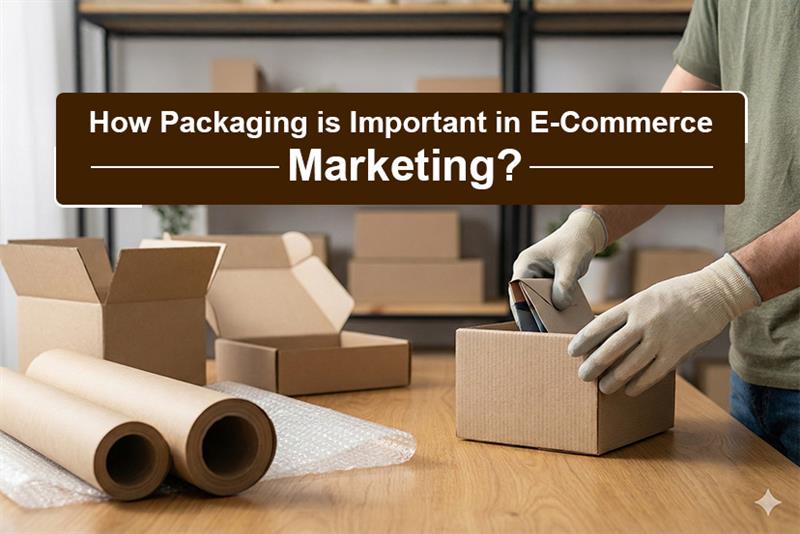
How Packaging is Important in E-Commerce Marketing?
In today’s highly competitive digital marketplace, packaging has become a powerful marketing tool for e-commerce businesses. With millions of online sellers offering similar products, packaging is no longer just about protection—it plays a crucial role in branding, customer experience, logistics, and customer retention. Unlike physical retail stores, e-commerce brands have only one physical touchpoint with customers: the product packaging. This makes packaging a vital component of an e-commerce marketing strategy. If you are looking for a complete packaging solution, then you can opt for the Moglix packaging. We provide you with overall packaging material as per your product and project requirements.
This article explores why packaging is important in e-commerce marketing, its benefits, types, trends, and how businesses can use packaging to drive growth.
Understand The Importance Of Packaging In Marketing: 10 Points To Remember
Based on the overall understanding, we have curated 10 points for the importance of packaging in overall e-commerce marketing. Let’s drive through them:
1. First Impression and Brand Identity
Packaging creates the first physical impression of an online brand. Since customers cannot touch or see the product before purchase, the unboxing experience becomes the moment when expectations are met—or broken.
- Custom-designed boxes, logos, colors, and typography help establish brand identity
- Premium packaging builds trust and conveys quality
- Consistent packaging improves brand recall and recognition
A well-designed e-commerce package makes customers feel they made the right purchasing decision and strengthens brand loyalty.
2. Packaging as a Marketing Tool
Packaging acts as silent advertising for e-commerce brands. From branded boxes to inserts and QR codes, packaging continues marketing even after delivery.
Marketing benefits of e-commerce packaging include:
- Promoting brand values and messaging
- Encouraging social media sharing (unboxing videos)
- Cross-selling and upselling through flyers or discount coupons
- Driving repeat purchases with loyalty messages
In the age of Instagram and YouTube, visually appealing packaging can go viral, giving brands free marketing exposure.
3. Enhancing Customer Experience (Unboxing Experience)
The unboxing experience has become a key factor in customer satisfaction. A thoughtfully packed product can turn a one-time buyer into a repeat customer.
- Neatly packed items increase perceived product value
- Protective inserts reduce damage and return
- Personalized notes create an emotional connection
A positive unboxing experience improves customer reviews, ratings, and word-of-mouth marketing.
4. Product Protection and Reduced Returns
One of the most important roles of packaging in e-commerce is protecting products during transit. Poor packaging leads to damaged goods, unhappy customers, and high return rates.
Effective packaging:
- Prevents breakage, leakage, and wear
- Reduces logistics and replacement costs
- Ensures products reach customers in perfect condition
Strong packaging improves operational efficiency while protecting brand reputation.
5. Cost Efficiency and Logistics Optimization
Smart packaging design helps e-commerce businesses optimize shipping costs and storage.
- Right-sized packaging reduces shipping weight and dimensional charges
- Stackable designs improve warehouse efficiency
- Lightweight materials lower transportation costs
Well-planned packaging directly impacts profit margins by reducing unnecessary expenses.
6. Sustainable Packaging Builds Brand Trust
Eco-friendly packaging has become a major differentiator in e-commerce marketing. Modern consumers prefer brands that demonstrate environmental responsibility.
Benefits of sustainable packaging:
- Builds positive brand image
- Appeals to eco-conscious customers
- Reduces environmental footprint
- Meets regulatory and marketplace guidelines
Materials like recyclable cardboard, paper fillers, biodegradable plastics, and minimal packaging designs help brands align with sustainability goals.
7. Custom Packaging Improves Brand Recognition
Custom packaging is essential for standing out in a crowded e-commerce marketplace.
Examples include:
- Branded corrugated boxes
- Custom-printed poly mailers
- Logo-printed tapes and labels
Custom packaging reinforces branding and increases customer recall, making it easier for buyers to recognize the brand in future purchases.
8. Packaging Influences Customer Reviews and Ratings
Customer feedback in e-commerce is heavily influenced by packaging quality.
Good packaging leads to:
- Positive product reviews
- Higher seller ratings
- Fewer complaints and disputes
Poor packaging, even with a great product, can result in negative reviews and lower conversion rates.
9. Packaging and Personalization in E-Commerce
Personalized packaging adds a human touch to online shopping.
Examples of personalization:
- Customer name on packaging
- Thank-you cards
- Occasion-based packaging (festive, gifting, birthdays)
Personalized packaging enhances customer loyalty and emotional connection with the brand.
10. Compliance and Information Transparency
E-commerce packaging must also meet legal and informational requirements.
Important information includes:
- Product details and usage instructions
- Manufacturing and expiry dates
- Barcodes and QR codes
- Return and contact information
Clear labeling builds transparency and increases customer confidence.
Types of Packaging Used in E-Commerce
Common e-commerce packaging types include:
- Corrugated cardboard boxes
- Poly mailers and courier bags
- Bubble wrap and air pillows
- Paper fillers and molded pulp
- Tamper-proof packaging
Choosing the right packaging depends on product type, size, fragility, and shipping distance.
Future Trends in E-Commerce Packaging
The future of e-commerce packaging focuses on innovation and sustainability.
Key trends include:
- Minimalist and right-sized packaging
- Smart packaging with QR codes and tracking
- Reusable and returnable packaging
- Plastic-free and compostable materials
Brands adopting these trends gain a competitive edge in modern e-commerce marketing.
Conclusion
Packaging is no longer just a protective layer; it is a powerful marketing asset in e-commerce. From branding and customer experience to logistics optimization and sustainability, packaging solution influences every stage of the e-commerce journey. Businesses that invest in smart, sustainable, and customer-centric packaging gain higher customer satisfaction, better brand visibility, and long-term growth. In the fast-evolving world of e-commerce marketing, great packaging is not an expense, it’s an investment.

Top 10 Corrugated Cardboard and Packing Box Manufacturers in India 2026: Types, Prices, and Features to Look For
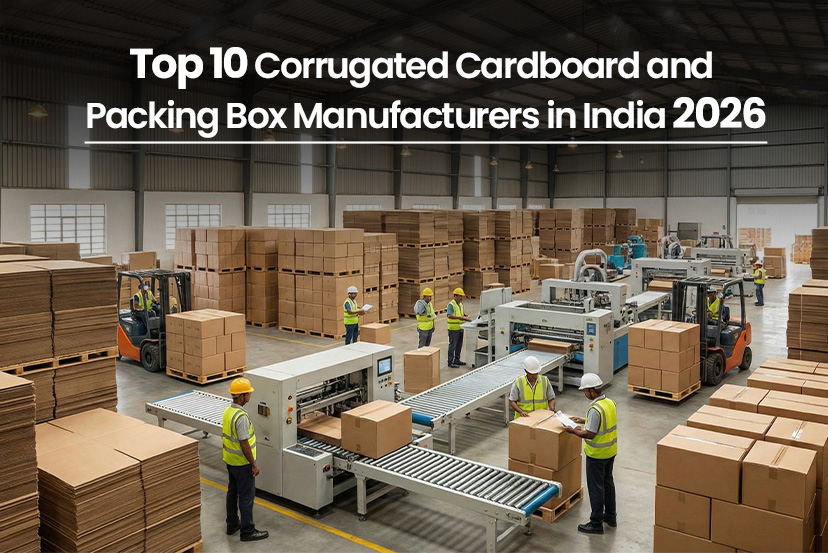
Top 10 Corrugated Cardboard and Packing Box Manufacturers in India 2026: Types, Prices, and Features to Look For
The corrugated cardboard and packing box industry in India is vital to manufacturing, logistics, e-commerce, and retail sectors. With India’s packaging industry poised for strong growth, corrugated box demand continues to surge due to rising online shopping, industrial shipments, and sustainable packaging preferences. However, if you are looking to buy corrugated boxes in bulk at wholesale prices, then Moglix is the best platform to procure them. We offer you a wide range of packaging solutions at the most affordable prices.
This comprehensive blog covers the top 10 corrugated cardboard and packing box manufacturers in India in 2026, the types of corrugated boxes, price ranges, and key features to consider when choosing the right packaging partner.
What Are Corrugated Cardboard Boxes?
Corrugated cardboard boxes are made from layers of paperboard material: flat linerboards sandwiching a fluted, corrugated medium. This structure provides strength, cushioning, and protection for products in storage and transit. The number of paper layers (plies) and flute type determine the box’s strength and applications.
Top 10 Corrugated Cardboard & Packing Box Manufacturers in India (2026)
Here are the leading companies that stand out in quality, delivery, and range of packaging solutions:
1. TGI Packaging Pvt. Ltd.
One of India’s most established corrugated box manufacturers with decades of experience. Known for high-quality corrugated solutions and export capabilities, TGI produces thousands of tons of boxes annually with automated production facilities – ideal for large volumes and tailored designs.
2. Canpac Trends Pvt. Ltd.
A premium packaging company providing flexible packaging solutions, including corrugated boxes, folding cartons, and specialty products. Known for design expertise and sustainable materials.
3. Aaradhya Enterprise
A trusted name supplying corrugated packaging solutions across industries like food and beverage, pharma, electronics, and FMCG. Offers customized sizing and material options.
4. Hariwansh Packing Pvt. Ltd.
Offers a wide range of corrugated packaging products, including partition boxes, specialty designs, and custom prints. Known for providing end-to-end box solutions.
5. B&B Triplewall Containers Ltd.
Based in Bengaluru, this manufacturer delivers robust corrugated solutions for industrial, retail, and export sectors. Emphasis on eco-friendly packaging and quality standards.
6. Horizon Packs Pvt. Ltd.
Part of a leading packaging group, Horizon Packs offers corrugated boxes, cartons, and e-commerce packaging, with modern production lines serving pan-India clients.
7. Worth Peripherals Ltd.
Known for quality corrugated boards and boxes suitable for electronics, e-commerce, and FMCG sectors. Focuses on precision manufacturing and timely delivery.
8. Astron Packaging Ltd.
Offers a broad portfolio including printed and laminated corrugated packaging solutions. Strong presence in Gujarat and widely known for innovative box designs.
9. Marudhar Packaging
A growing manufacturer in Bangalore producing carton boxes, partitions, and printed corrugated packaging. Great choice for mid-sized businesses seeking quality and variety.
10. Ruchi Group (Rana Packers)
Based in South India, Ruchi Group supplies diverse corrugated box formats, including customized printing and branding services for regional markets.
Types of Corrugated Boxes & Typical Price Ranges in India
Below is a snapshot of common corrugated box types and typical price ranges in the Indian market:
| Box Type | Features | Typical Price Range |
| Single Wall (3-ply) | Lightweight, cost-effective | ₹8–₹15 per piece |
| Double Wall (5-ply) | Strong, durable for heavier items | ₹15–₹30 |
| Triple Wall (7-ply) | Maximum strength for industrial use | ₹30–₹50+ |
| Die-Cut Boxes | Custom shapes and designs | ₹20–₹40 |
| Foldable Boxes | Space-efficient & easy assembly | ₹10–₹25 |
| Heavy Duty / Industrial Boxes | Extra reinforced for machinery | ₹50–₹100+ |
Price varies based on size, ply levels, print quality, and customization. E-commerce sellers may pay more for printed branding and design features.
What Are The Key Features To Look For In Corrugated Boxes?
Choosing the right packing partner and material is essential for protecting your products and enhancing brand image. Here are key features to evaluate:
1. Material Quality
High-grade kraft paper and quality linerboards improve durability and resistance to crushing or moisture.
2. Ply & Strength Rating
Higher ply (e.g., 5 or 7 ply) increases strength and load-bearing capacity — important for heavy or fragile products.
3. Flute Type
Different flute sizes (A, B, C, E, etc.) affect cushioning and compression resistance. Choose based on shipment needs.
4. Customization & Print
Branding options like printed logos, barcode areas, and graphics strengthen brand visibility and customer experience.
5. Eco-Friendliness
Boxes made from recycled, recyclable, or sustainably sourced paper resonate with environmentally conscious customers and reduce disposal costs.
6. Size & Fit
Boxes should match product dimensions to minimize wasted space and reduce shipping costs while maximizing protection.
Corrugated Box Prices – What to Expect in 2026
In general:
- Small boxes (up to 30×20×20 cm): ₹15–₹70
- Medium boxes (30×30×30 to 50×40×40 cm): ₹30–₹100
- Large/Heavy-duty boxes: ₹70–₹200+
Prices depend on ply level, size, print quality, and any special coatings or reinforcement. Customized boxes typically cost more than standard plain brown boxes.
How to Choose the Right Manufacturer
To select the best corrugated box partner:
- Match your product size and weight to the correct ply and flute type.
- Ask for samples to test strength and print quality.
- Confirm minimum order quantities (MOQ) and lead times.
- Check for eco-friendly certifications if sustainability matters.
- Clarify delivery options and logistics support.
Final Thoughts
With India’s corrugated box market growing rapidly, choosing the right packaging partner can make a big difference in product safety, branding, and cost efficiency. By understanding the different box types, pricing, and the strengths of leading manufacturers, you can make informed decisions that support your business goals in 2026 and beyond. At the Moglix business, you can procure all types of packaging solutions at the most competitive prices. Check out our complete range of products and raise an RFQ accordingly.
Choosing the Right Packaging Material: Corrugated Boxes, Poly Mailers, or Paper Bags?
Choosing the Right Packaging Material: Corrugated Boxes, Poly Mailers, or Paper Bags?
Which Packaging Material’s Right for You?
Let’s get this out of the way: There is no definitive answer. In some instances, boxes are the best option. In others, Poly mailers are the best option. For some brands or products, the paper bag option may be the best fit. At the end of the day, it all comes down to the material, the product, the delivery path, consumer expectations, and the costs.
Let’s dive deeper into what each packaging option has to offer, so that you get what feels like the best option, rather than the easiest.
Corrugated Boxes- The Safe, Heavy Duty Choice
For products that are notably delicate, or that are heavier, or if you are shipping multiple items, for many the go-to option are Corrugated Boxes.
Benefits of using boxes include the following:
- Protection: The box’s structure absorbs shocks and offers protection from crushing, keeping items safe during rough handling.
- Excellent for stacking and palletisation: On trucks, in warehouses-boxes stack well and protect each other.
- Branding and presentation perks: More real estate for logos, prints, custom inserts, etc. If customer experience matters, boxes shine.
Keep in mind, the following also applies:
- Heavier packaging → more shipping cost, possibly high dimensional weight fees.
- Takes more storage space; harder to save volume if you don’t have collapse-flat or well-designed stacking options.
- Not naturally waterproof; might need coatings or liners for certain products or climates. Wet handling can hurt corrugated material.
Poly Mailers-Light, Fast, and Cost-Effective
Think of poly mailers when you have soft goods, low-risk shipping, or want savings with simplicity.
What’s good:
- Very lightweight, flexible, less bulk: That often means shipping savings (especially when carriers bill by dimensional weight) and easier storage.
- Tensile strength & moisture resistance: Many poly mailers resist tears, moisture, and are fine for non-fragile items.
- Faster packing, just insert the item, seal, and label: Less work than building a box + padding. More throughput.
What’s less ideal:
- Weak protection for fragile products: If something can break, get crushed, or needs rigidity, poly mailers often don’t cut it unless you add cushioning.
- Branding limitations: Surface area is smaller; print quality is sometimes less premium.
- Environmental/recycling constraints: Depending on the material, local recycling rules might not accept some poly mailers. Some brands use recycled or bioplastic variants, but you’ll need to verify.
Paper Bags-Eco, Simple, and Stylish (If They Match Your Use Case)
Paper bags aren’t always considered for shipping, but in many cases (especially dry goods, retail pickup, or lightweight products), they hit a sweet spot.
What works well:
- Sustainable appeal: Kraft or recycled paper bags look good, are biodegradable, and are often easier to recycle. Great for brand image.
- Lightweight and simple for certain product types: Think soft goods, textiles, retail storefronts, small gifts. If you’re not dealing with extreme transit conditions, paper can be enough.
- Creative flexibility: printing, handles, folds—paper allows a lot of design options.
What to be cautious about:
- Low water/moisture resistance: If the bag gets wet, it might weaken quickly. So either avoid exposure or add liners.
- Not rigid-Can’t protect very fragile or heavy items unless used with internal support or secondary packaging.
- Strength and durability: They depend a lot on paper grade and construction. If you cheap out on paper weight, handles, or stitching/folding, the bag may tear or fail.
How Smart Companies Decide – What to Ask Before You Choose
Here are the questions brands that get this right tend to ask when picking packaging:
- What are the product and packaging needs? What is the product’s fragility/weight/shape?
If it’s rigid and fragile or of an irregular shape, heavy paper bags or boxes might be necessary. Soft items or flat and twistable goods may do fine in mailers or lightweight paper bags. - What can be estimated as the degree of violence in transit and handling?
All these factors-the distance to be covered, the mode of transportation, the exposure to the weather, and others-have a bearing on the final outcome. What is protected ‘on a clean shelf’ suffers a very different fate when it is placed in a lorry or soaked in a monsoon. - What is the impact of dimensional weight vs the actual weight?
A lighter, bulkier box sometimes is more expensive than a poly mailer that is tightly fitting. It is helpful to build the shipping cost in a more realistic manner. - What is the goal of your brand and customer experience?
Unboxing experience is important, doesn’t it? If it does, does your brand offer premium products? Is friendliness in your brand promise? These change the balance of the trade-offs. - What are the sustainability objectives and the local recycling policies?
If your area has sustainability objectives and or legal or customer expectations around the share of materials that are renewable or recycled, or even the disposal of waste, that influences decision-making. In some cases, investing a little more initial cost in better material can lead to long-term benefits. - What is the volume, and the storage configuration?
If the volume is high, the leverage is also high. The storage of boxes in comparison to mailers and paper bags also has different associated costs. The speed of packing also influences.
A Few Real Life Examples
To make it easy to relate to, here are some examples and the solutions that work best:
- Clothing, soft accessories → Poly Mailers (with or without internal poly bags or soft padded poly wrap). Shipping is fast, very economical, and has low risk.
- Electronics and glass fragile items → Non-negotiable padding on corrugated boxes when protection is required.
- Small boutique and retail gift items → Boxes or paper bags with branded premium paper and nice handles.
Mixed/Hybrid approaches are the norm: Using boxes for some SKUs and mailers for the rest, paper bags for in-store or local delivery. It’s not “one material wins always” but rather “right material for right SKU / use case.”
Short Trade-offs Cheater Table
| Your Priority | Best Bet Material | Why It Wins / What It Sacrifices |
| Lowest shipping cost for lightweight non-fragile items | Poly Mailers | Cuts cost and weight; less protection |
| Maximum protection | Corrugated Boxes | Strong protection; higher cost/weight |
| Brand feel + eco credentials | Paper Bags or Premium Corrugated | Looks good; may cost more; watch the moisture issue |
| Quick packing & storage efficiency | Poly Mailers | Fast, compact; not great for bulky/fragile |
Final Thoughts: Pick Smart, Not Just What’s Cheapest
Balance price with protection, brand perception, speed, and sustainability when selecting a filler.
Material choice = brand saving = damage, return, reputation saving = delta = greater. “Cheap” options often prove more costly in the future.
E-commerce Packaging Strategies for CPOs: Cost-Effective Solutions with Cello Tape, Packaging Materials, and Pricing Insights
E-commerce Packaging Strategies for CPOs: Cost-Effective Solutions with Cello Tape, Packaging Materials, and Pricing Insights
In today’s digital economy, e-commerce has become the backbone of modern retail.
As online sales surge, companies face increasing pressure to deliver orders swiftly, securely, and sustainably.
At the heart of this challenge lies one crucial component: e-commerce packaging strategies.
For Chief Procurement Officers (CPOs), finding cost-effective packaging solutions can significantly impact margins and customer satisfaction.
In this blog we will explore the smart ways to optimize packaging using everyday materials like cello tape, corrugated board, angle boards, and label paper.
While uncovering key pricing insights that can help reduce operational costs without compromising quality.
Why E-commerce Packaging Strategies Matter
Good packaging in e-commerce is more than just a box and tape, it’s the first physical touchpoint your customer has with your brand.
Poor packaging can lead to damaged products, high return rates, and negative reviews. On the other hand, smart e-commerce packaging strategies can:
- Reduce product damage and returns
- Enhance the unboxing experience
- Lower shipping costs by optimizing package size and weight
- Improve supply chain efficiency
- Support sustainability goals
For CPOs, this means balancing durability, cost, and brand perception all while closely monitoring procurement budgets.
Cost-Effective Packaging Materials Every CPO Should Know
Cello Tape: Essential and Economical
Cello tape is one of the most commonly used items in packaging. It is versatile, cost-effective, and ideal for lightweight sealing tasks.
It also offers branding opportunities when customized with logos or brand colors.
Cost-Saving Tip:
- Purchase in bulk from verified suppliers to lower unit costs.
- Choose eco-friendly, high-adhesion cello tape to reduce waste and ensure secure sealing.
- Consider alternatives such as paper tape or cotton tape rolls for sustainable packaging.
Packaging Materials: Strength Meets Savings
Using the right packaging materials can dramatically reduce costs by minimizing damages and improving logistics. Options include:
- Corrugated packaging box: Ideal for protection and durability.
- Packing boxes: Select size-specific options to avoid excess filler.
- Bubble wrap and void fillers: Keep fragile items secure.
- Poly mailers: Lightweight and tamper-proof, suitable for non-fragile goods.
Cost-Saving Tip:
- Standardize box sizes to reduce SKUs and streamline inventory management .
- Use corrugated board and angle board for extra strength during palletization.
- Evaluate suppliers on material GSM (grams per square meter) for cost vs. durability.
Pricing Insights: The Hidden Power of Smart Buying
For procurement leaders, pricing transparency and long-term value are vital. Here’s how CPOs can use pricing insights to maximize savings:
- Regularly compare vendor prices for key SKUs such as label paper, corrugated boxes, and tapes.
- Negotiate volume-based pricing and seasonal discounts.
- Opt for long-term supplier agreements for better rates and predictability.
- Use e-procurement or AI-driven tools to analyze historical data and forecast pricing trends.
For example, a company that switched to a three-month price-lock strategy with one packaging supplier saved 12% annually on packaging spend.
Best e-commerce Packaging Strategies for CPOs
Smart packaging goes beyond purchasing inexpensive materials.
It involves creating a streamlined procurement and logistics system that is resilient, scalable, and future-ready.
Sustainable Packaging
Sustainability is no longer optional. Government regulations and consumer preferences are shifting towards eco-conscious brands. CPOs can:
- Use paper tape or cotton tape rolls instead of plastic-based alternatives.
- Switch to biodegradable fillers and recyclable corrugated packaging boxes.
- Choose FSC-certified or recycled corrugated board suppliers.
Tip: Sustainability efforts can also unlock green tax benefits and increase brand loyalty.
Warehouse Optimization
Efficient packaging saves space in warehouses and during transit.
- Choose stackable box designs.
- Standardize packaging dimensions.
- Reduce SKUs by selecting multi-purpose packaging.
This approach not only reduces material costs but also improves pick-and-pack efficiency.
Supplier Performance Monitoring
Use procurement dashboards to track supplier metrics, including:
- On-time delivery rates
- Quality consistency
- Packaging failure rates
- Price fluctuation trends
Over time, these data points help build a reliable and cost-effective supplier ecosystem.
How to Start: Online Packaging Procurement Made Easy
Buying packaging supplies online offers flexibility, speed, and access to a wide range of suppliers.
CPO Tips for Online Procurement:
- Select platforms that offer bulk discounts and verified supplier ratings.
- Search for SKUs such as stretch film, strapping, tissue tape, and 3-ply boxes.
- Use filters to sort suppliers by cost, quality, and delivery time.
- Review packaging performance reports from peers.
For instance, Moglix enables CPOs to compare multiple packaging vendors, automate ordering workflows, and track deliveries—all in one place.
Explore Moglix Packaging Solutions for streamlined packaging procurement.
Smart e-commerce Packaging Strategies
In a highly competitive e-commerce environment, every rupee spent on packaging must add value; either through savings, better customer experience, or improved logistics.
For CPOs, adopting smart e-commerce packaging strategies isn’t just about sourcing cheaper cello tape or packing boxes; it’s about building an intelligent, data-driven procurement system.
Through bulk buying, smart vendor negotiations, and a shift toward sustainable materials like corrugated boards, paper tape, and label paper, businesses can unlock significant cost savings and efficiency gains.
Ready to Transform Your Packaging Procurement?
At Moglix, we help businesses make smarter packaging choices, whether you need stretch films, corrugated boxes, or sustainable tape alternatives.
Our e-commerce procurement platform offers access to verified suppliers, real-time pricing insights, and end-to-end support for your packaging needs.
Connect with Moglix today to streamline your packaging procurement journey


