Top 10 Glass Bottle Manufacturers In India 2026: Wholesale Prices, Types, And Features
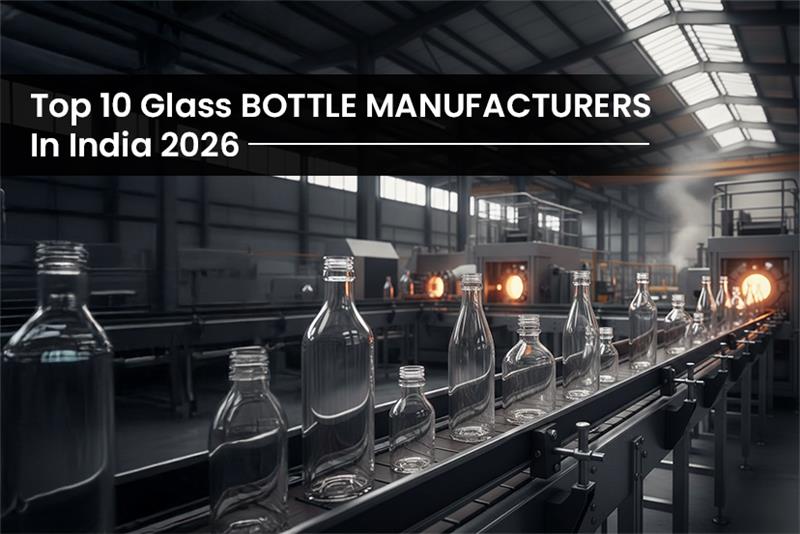
Top 10 Glass Bottle Manufacturers In India 2026: Wholesale Prices, Types, And Features
Glass bottles play a crucial role in packaging industries such as beverages, pharmaceuticals, cosmetics, food processing, and chemicals. Due to their eco-friendly nature, durability, and premium appearance, the demand for glass bottles in India continues to grow rapidly. In fact, the Indian glass bottle market is projected to grow strongly with rising demand for sustainable packaging solutions. If you are looking to buy glass bottles in bulk, then Moglix is the one destination to procure them effortlessly. We fulfill the bulk purchase of glass bottles at wholesale prices.
In this guide, we will explore the Top 10 glass bottle manufacturers in India, along with wholesale prices, types, and key features.
Overview of the Glass Bottle Industry in India
India is one of the largest producers of glass packaging materials. The industry is valued at billions of dollars and is expected to grow significantly due to demand from the beverage, pharmaceutical, and FMCG sectors.
Key growth drivers include:
- Increasing preference for recyclable packaging
- Rising consumption of packaged beverages
- Growth of pharmaceutical manufacturing
- Export demand for premium glass packaging
Check Out The Top 10 Glass Bottle Manufacturers In India?
Base don latest information, peer reviews, and budget fiendly option an dquality products, we have curated a list of the top 10 glass bottle manufacturers in India. Have a glance at them and choose based on your requirement.
1. Hindusthan National Glass & Industries Ltd.
One of India’s oldest and largest glass container manufacturers, HNG produces bottles for beverages, pharmaceuticals, and the food industry. The company has multiple manufacturing plants and supplies to major global brands.
Specialties:
- High production capacity
- Amber and soda-lime glass
- Bulk supply capabilities
2. AGI Glaspac
A leading manufacturer of flint and colored glass bottles, AGI serves industries such as liquor, pharma, and food packaging.
Key Features:
- Automated production technology
- Sustainable manufacturing
- Custom bottle design solutions
3. PGP Glass Private Limited
A premium glass packaging manufacturer exporting to more than 50 countries. Known for high-end cosmetic and pharmaceutical bottles.
Strengths:
- Luxury packaging designs
- Global export presence
- Advanced manufacturing plants
4. Haldyn Glass Limited
A reliable manufacturer producing affordable glass bottles for food, beverages, and pharma sectors.
Highlights:
- Cost-effective solutions
- ISO-certified quality
- High clarity glass
5. Piramal Glass Pvt. Ltd.
A global leader in cosmetic and perfume glass packaging.
Key Features:
- International quality standards
- Custom decoration options
- Premium bottle finishing
6. Borosil Limited
A well-known Indian glass manufacturer specializing in laboratory glassware and premium containers.
Strengths:
- Global presence
- High-quality glass production
- Durable and heat-resistant glass
7. Ajanta Bottle Private Limited
A trusted supplier of bulk glass bottles for FMCG, cosmetics, and pharmaceutical industries.
Features:
- Large MOQ supply
- Standard design catalog
- Affordable pricing
8. Empire Industries Limited
Produces a wide range of food, beverage, and chemical glass bottles.
Key Highlights:
- Strong industrial reputation
- Bulk manufacturing capacity
9. Pragati Glass Private Limited
Known for manufacturing durable glass packaging solutions for the food and beverage sector.
Strengths:
- Customized bottle designs
- Reliable supply chain
10. Eagle Glass Deco Private Limited
Specializes in decorative glass bottles used for cosmetics, perfumes, and premium packaging.
Features:
- Attractive designs
- High-quality finishing
Indicative Wholesale Prices of Glass Bottles in India for 2026
Wholesale prices vary based on size, design, and quantity.
Typical Price Range
- Mini glass bottles: ₹50 – ₹150
- 250 ml bottles: ₹80 – ₹200
- 1-liter bottles: ₹150 – ₹300
- Decorative bottles: ₹200 – ₹600
Some specialized glass bottles can cost as low as ₹12–₹25 per piece in bulk orders.
What are the Types of Glass Bottles?
1. Beverage Bottles
Used for water, juices, and soft drinks. Usually feature screw caps and durable glass.
2. Pharmaceutical Bottles
Amber glass protects medicines from UV light.
3. Cosmetic Bottles
Premium designs are used for perfumes and beauty products.
4. Food Storage Bottles
Used for sauces, pickles, and jams.
5. Decorative Glass Bottles
Mainly used for gifting and home décor.
Understand the Key Features of Glass Bottles before procuring
Eco-Friendly
Glass is fully recyclable and environmentally sustainable.
Durable and Reusable
Glass bottles can be reused multiple times.
Chemical Resistance
They do not react with liquids stored inside.
Premium Appearance
Glass packaging enhances brand value.
Conclusion
India is home to some of the world’s leading glass bottle manufacturers offering high-quality packaging solutions at competitive prices. Companies like HNG, AGI Glaspac, and PGP Glass dominate the industry with advanced technology and global supply chains. As sustainability becomes a priority, the demand for eco-friendly glass bottles will continue to grow, making this industry highly promising in 2026 and beyond. Businesses and industries looking to buy glass bottles in bulk, then Moglix Business is the right platform for them to purchase them effortlessly. We ensure the procurement of glass bottles from various repeat manufacturers and sources.

2025 Procurement Outlook for Primary Packaging for CPOs
2025 Procurement Outlook for Primary Packaging for CPOs
The procurement of primary packaging materials such as polybags, VCI bags, food trays, and glass bottles faced significant cost pressures in 2024.
Key factors driving these pressures included raw material price fluctuations, regulatory compliance requirements, and rising energy costs.
As we step into 2025, the question arises: What challenges and opportunities lie ahead for Chief Procurement Officers (CPOs)?
Key Factors Impacting Primary Packaging Procurement
1. Raw Material Costs
Paper and Cardboard:
The growing demand for sustainable packaging is driving up the cost of paper-based materials.
Shortages in pulp supply, coupled with increasing transportation expenses, are expected to put additional pressure on prices in 2025.
Plastics:
Prices of virgin and recycled plastics remain influenced by crude oil market dynamics and recycling infrastructure.
With stricter regulations on single-use plastics, companies are likely to face increased compliance-related expenses.
Metal and Glass:
Aluminum, steel, and glass production processes are highly energy-intensive, leaving them vulnerable to energy price volatility. Ongoing fluctuations in global energy markets are expected to further impact procurement costs for these materials.
2. Compliance
Regulatory Compliance:
Adhering to sustainability standards, such as Extended Producer Responsibility (EPR) and carbon taxation, involves higher certification costs and redesign requirements. These regulations aim to reduce environmental impact but increase operational complexities.
Circular Economy Initiatives:
The shift towards reusable packaging and investments in recycling programs align with sustainability goals but demand significant upfront financial investment. Companies adopting these initiatives must carefully plan for long-term returns.
3. Customization and Design
Innovative Designs:
Packaging innovations, including custom shapes, multi-material combinations, and advanced graphics, enhance consumer appeal but add to production costs. These designs often require specialized production capabilities, driving expenses higher.
Digital Printing Technologies:
Digital printing enables greater flexibility and personalization for packaging solutions.
However, it can increase costs, particularly for short production runs, when compared to traditional methods.
4. Technological Integration
Smart Packaging Features:
Technological advancements in packaging, such as QR codes, RFID tags, and temperature indicators, are gaining traction.
Although these features enhance functionality, they also increase production and material costs, necessitating a clear cost-benefit analysis.
5. Volume and Batch Sizes
Economies of Scale:
Large production volumes typically result in greater cost efficiency, whereas smaller, customized orders lead to higher costs.
Balancing production scales with market demand will be critical for procurement planning.
Demand Volatility:
Shifts in consumer demand, driven by seasonal trends or global events, continue to create uncertainty in procurement strategies.
Companies must focus on building agile processes to mitigate risks associated with demand fluctuations.
Transportation Costs:
Rising fuel prices and persistent global supply chain disruptions are driving up logistics expenses for raw materials and finished packaging. Efficient transportation planning and diversified sourcing strategies will remain crucial for cost control.
Conclusion
2025 is set to bring both challenges and opportunities for the procurement of primary packaging materials.
To navigate this evolving landscape, CPOs must leverage insights from 2024, implement innovative solutions, and fortify their supply chains.
For a detailed projection and actionable insights, access our comprehensive whitepaper today.
Mail your inquiries to info@moglixbusiness.com.


