Key trends molding the future of packaging
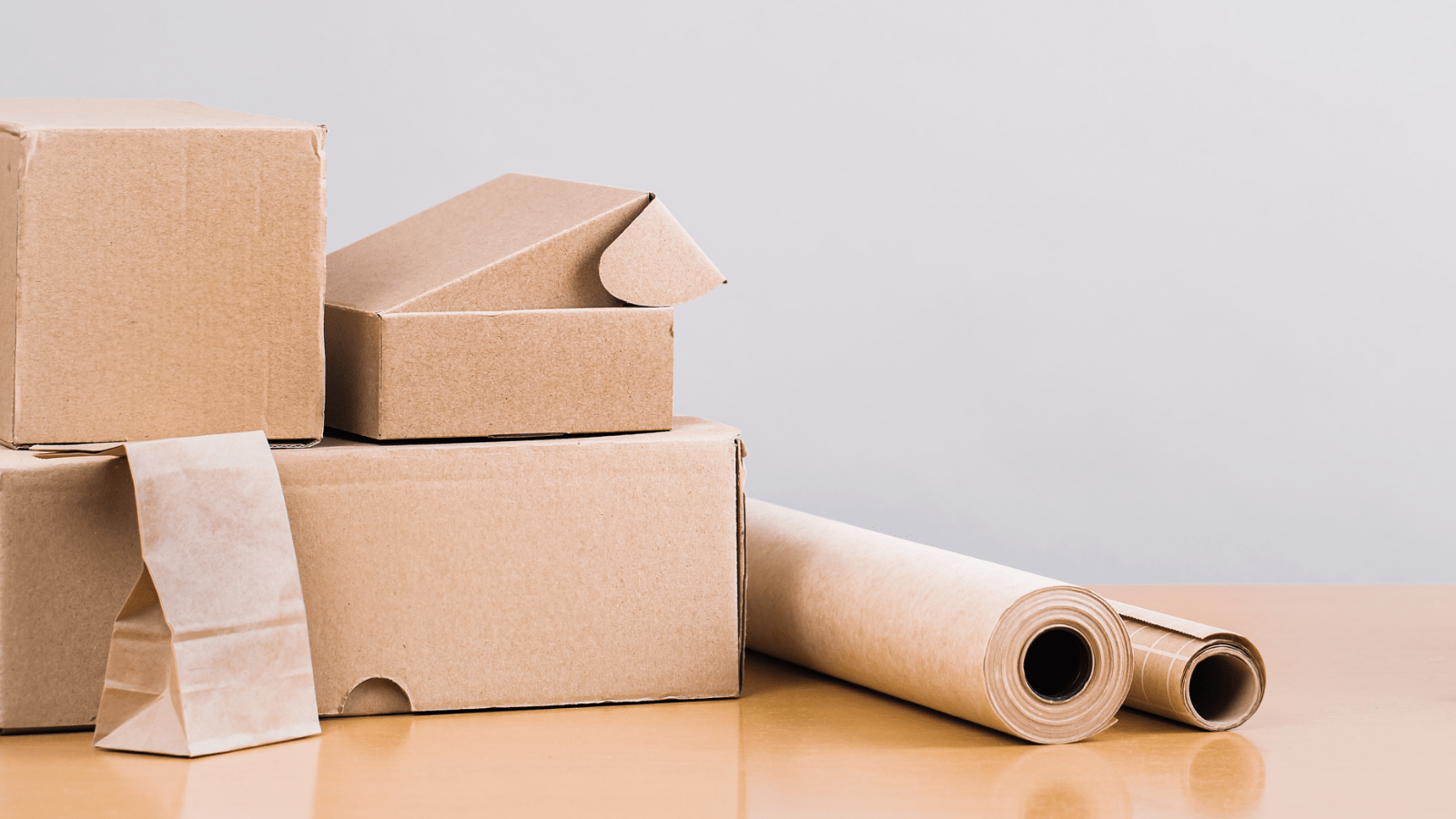
Key trends molding the future of packaging
On a global scale, the packaging industry is one of the fastest-growing economic segments today. A recent study by the reputed market research store ‘Research and Markets’ reveals that the packaging sector could grow by over $220 billion by 2027. Looking back at the decades, McKinsey & Company has identified three defining eras in the global packaging industry. The first two — from 2000 to 2020 — were marked by substrate shift changes and changing consumer behavior.
The current era of packaging, however, is characterized by extensive digitization and sustainable packaging. Therefore, businesses in the packaging sector need to be aware of the key trends driving this industry phase, so they can stay ahead of the curve by adopting the necessary best practices.
4 key trends shaping the future of packaging
Here is a preview of the top trends driving primary and secondary packaging today.
1. Sustainability at the forefront
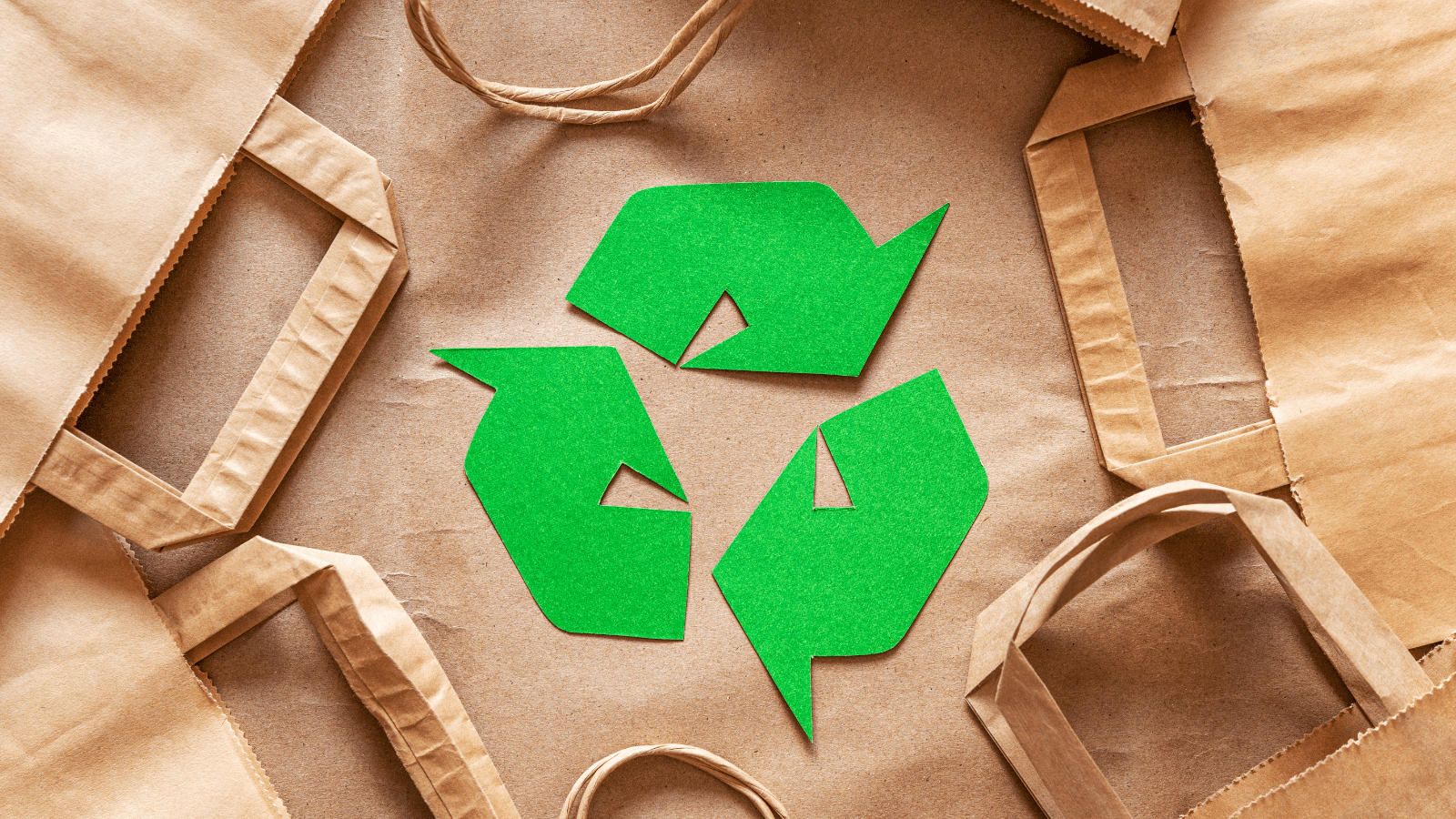
Businesses today are starting to prioritize sustainability and environmental awareness. As a recent global survey by McKinsey & Company revealed, around 75% of packaging purchasers are committed to choosing sustainable options. To remain in the game, organizations need to align their processes with the principle of sustainability and take active steps to become — and remain — environmentally friendly.
2.Personalized packaging
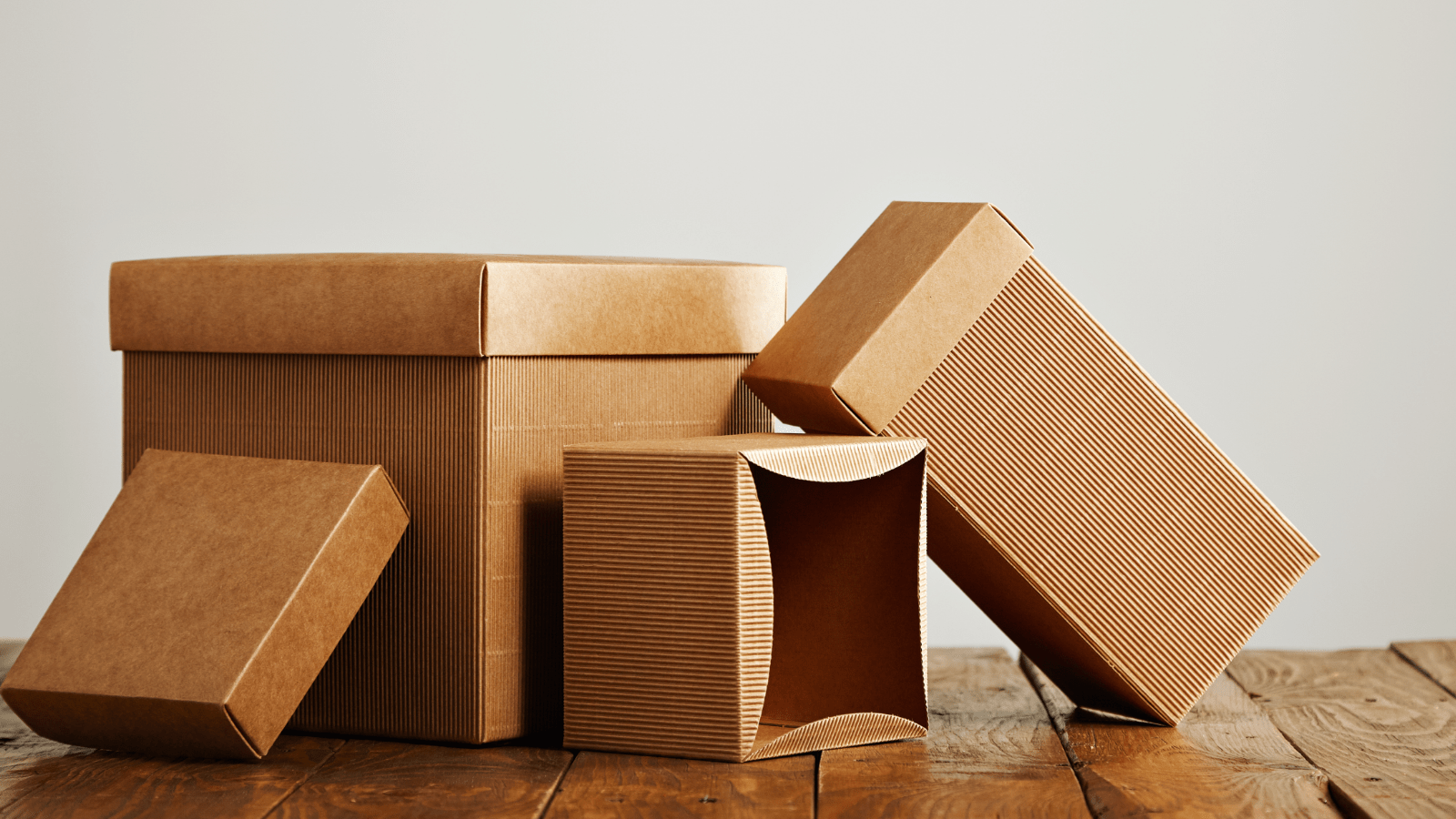
Personalization, which can be easily integrated into both primary and secondary packaging, is another increasingly trending concept in the 21st century. With a personal touch becoming even more essential after the pandemic, it’s no surprise that the global personalized packaging market hit the $32.57 billion mark in 2021 and is expected to grow at a CAGR of 5.28% by 2030.
3.Increased preference for flexible packaging
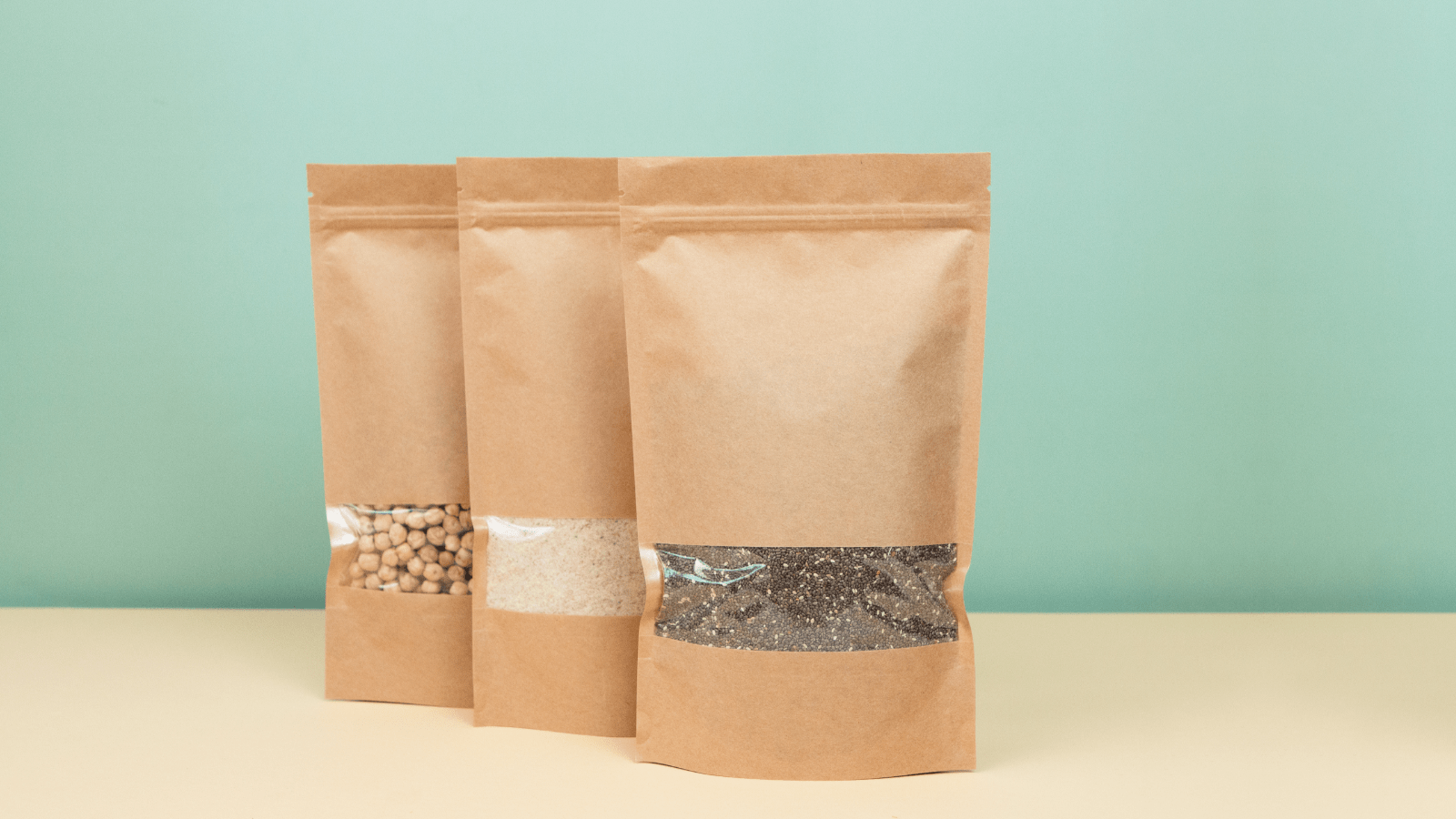
Flexible packaging is convenient, easy to store, and highly practical. When done right, it has better shelf appeal, offers improved cost economics, and is well-suited for eCommerce. Owing to its many advantages, flexibility is becoming another trending packaging requirement in the current era. Businesses can also marry the goal of sustainability with flexibility by choosing materials that check both these boxes, like paper, fabric and recyclable plastic.
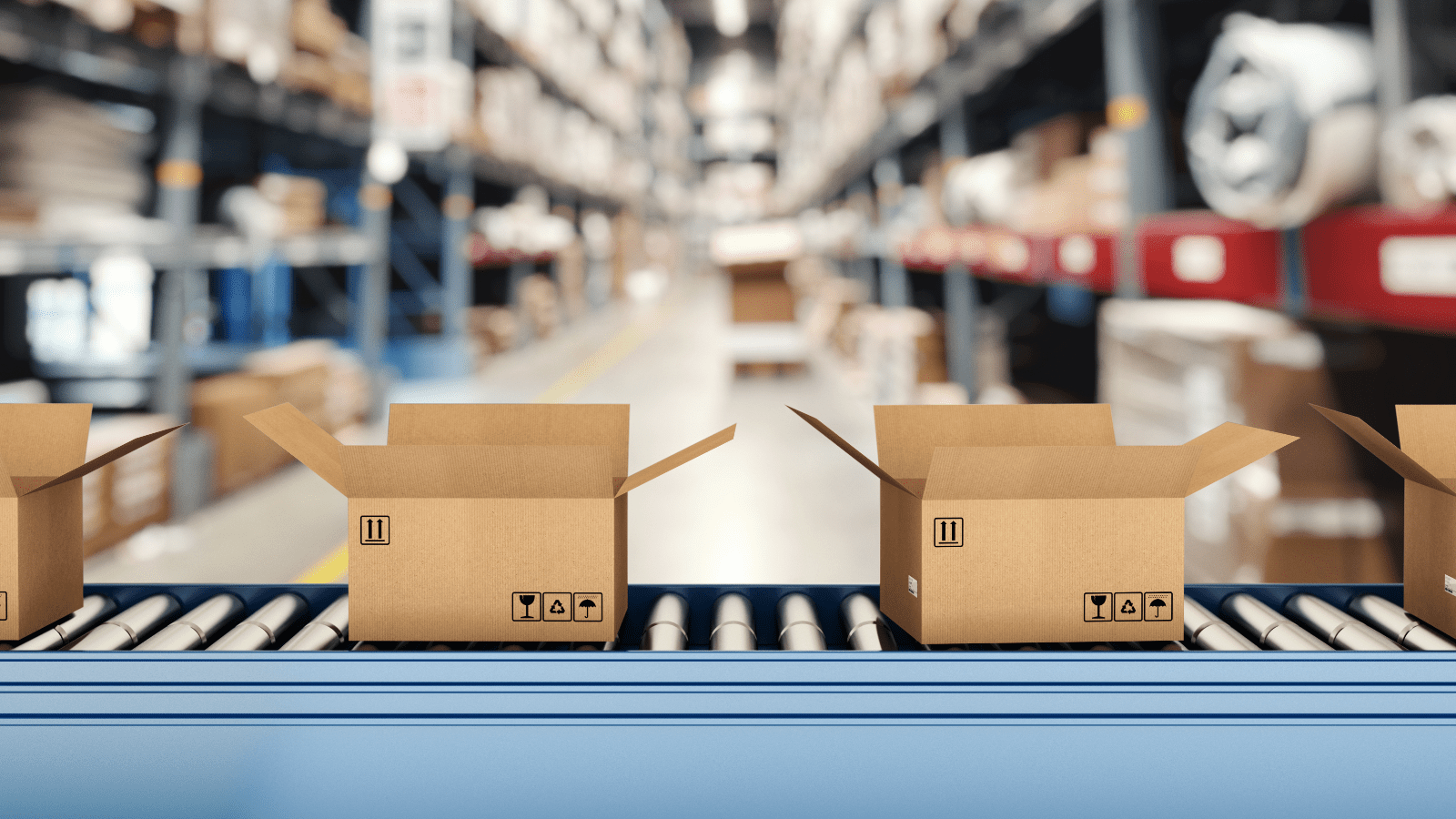
4.Smart packaging solutions
Digitization is changing the packaging sector, and the rising trend of innovative packaging solutions is proof of this. Intelligent packaging solutions like biosensors, temperature and freshness indicators and even data carriers like barcodes and RFIDs are revolutionizing packaging as we know it today. Businesses that keep pace with these trends will likely have a head start in the race to the future.
5.Focus on smart and reliable export packaging
The growth of e-commerce and retail, the rise in global food demand, globalization, and the expansion of design and innovation in the product lines of well-known multinational firms all impact the expansion of global trade. Therefore, we may expect to see a trend that focuses on creating smart, reliable, cost-effective export packaging in the coming years.
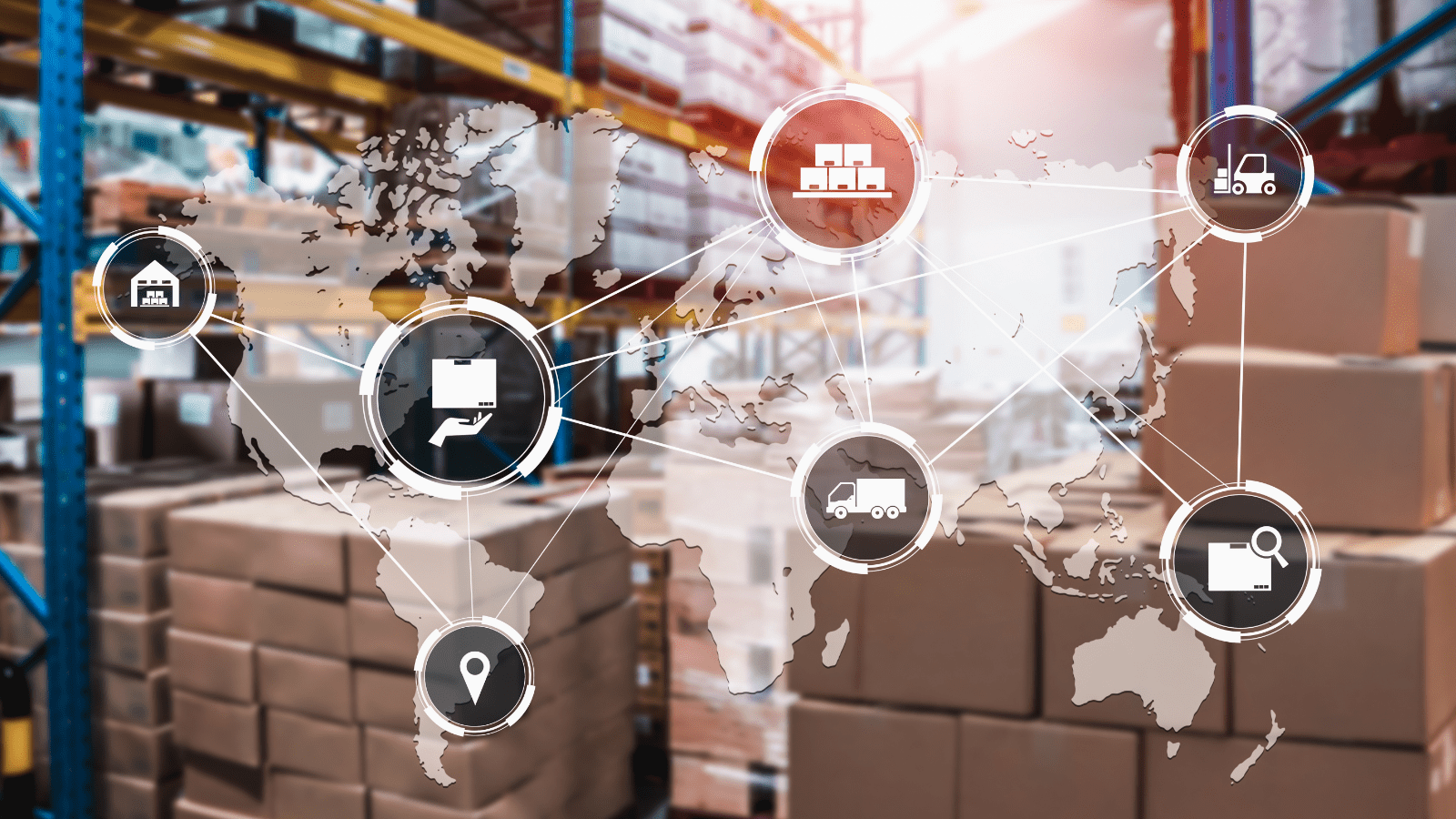
Want to keep up with the future? Choose the right packaging solutions provider today.
The right packaging solutions provider can help your business easily navigate the new era of sustainable packaging. Choose Moglix to get the advantage of comprehensive sustainability and compliance solutions, quality adherence, vendor consolidation, and inventory management. Visit our website to learn more.

Circularity at Scale: Transforming the Packaging Industry
Circularity at Scale: Transforming the Packaging Industry
In its 2022 report, Circularity Gap Initiative revealed that only 8.6% of all material used by humankind is recycled, with the rest contributing to the rising waste levels. A circular economy prioritizing recycling and reuse is the need of the hour that entails keeping raw materials, goods, and services in circulation for the longest time possible, limiting the level of waste that gets generated on a global scale.
Most of the per capita waste generated globally comes from primary, secondary, and tertiary packaging; hence, the packaging is one of the focus industries that should adopt circularity. Circularity in packaging necessitates achieving sustainability along with good business sense for better adoption and longer haul.
Moglix Enables India’s Largest Online Store for Baby and Kid Products to Transform Its In-Bound Packaging Supply Chain with Technology
Moglix Enables India’s Largest Online Store for Baby and Kid Products to Transform Its In-Bound Packaging Supply Chain with Technology
Moglix Enables India’s Largest Online Store for Baby and Kid Products to Transform Its In-Bound Packaging Supply Chain with TechnologyRead More
Moglix Packaging Solutions Exhibited at Paperex 2022
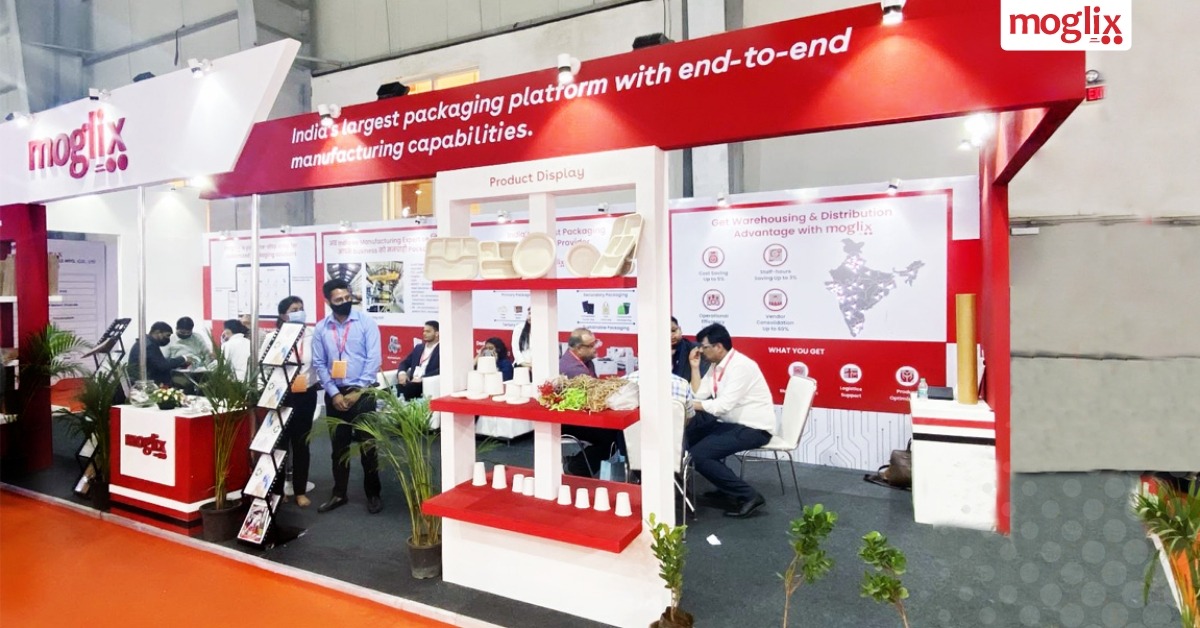
Moglix Packaging Solutions Exhibited at Paperex 2022
At Paperex 2022, Moglix reinforced its vision and mission as the country’s largest integrated packaging solutions provider. Moglix Packaging was showcased with various products, such as paper bags, paper tubs, bagasse trays, corrugated boxes, compostable bags, paper tapes POSS, shredded papers, paper cups, along with raw materials demonstrating a range of specialty papers for converters.
Moglix is also a manufacturer of packaging products and raw materials (Paper, Poly and Aluminum roll), exhibiting full-stack paper-based offerings from raw materials to finished goods.
Moglix fulfills more than 70% of the e-commerce industry’s packaging demands, including inventory management that stretches across 35 warehouses in pan India. It provides an end-to-end supply chain of paper products through strategic tie-ups with different mills, converters and JIT fulfilment by leveraging its pan-India distribution network.
Paperex 2022 is one of the largest Paper exhibitions in the country. The event was accompanied by research and development professionals from academic institutions, product users, customers from the printing and publishing industry, decision-makers from well-known industries, sourcing personnel, paper technologists, promoters, and many more. The exhibition showcased Moglix capabilities on a national and global scale.
Through this platform, we established long term relationships with various stakeholders in the paper industry, and contributed towards creating a sustainable and stronger supply chain across the manufacturing value chain.
Moglix Packaging Supply Chain Solution Reduces The TAT by 20% for a Leading Interior Design Solutions Company

Moglix Packaging Supply Chain Solution Reduces The TAT by 20% for a Leading Interior Design Solutions Company
Moglix Packaging Supply Chain Solution Reduces The TAT by 20% for a Leading Interior Design Solutions CompanyRead More
Wrap Up: The Evolution of Packaging Materials and Designs
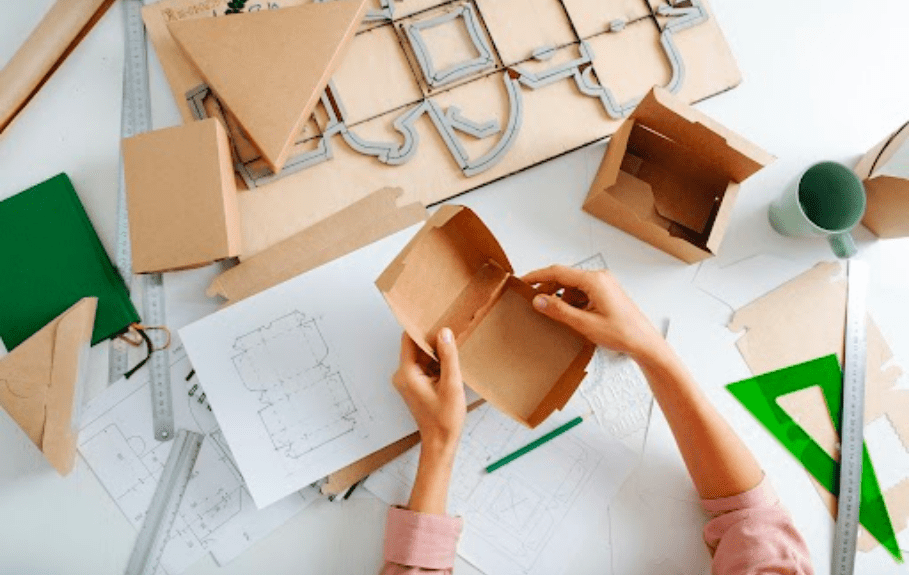
Wrap Up: The Evolution of Packaging Materials and Designs
Packaging, the technology, and the art of preparing the artifact for convenient transport, storage, and sale, has an exciting journey along with the beginning of humankind. Close observation reveals that the development of packaging materials and packaging designs evolved around the culture, global epidemic, and consumer behavior widespread around a given period. Let us look at how packaging has evolved.
Ancient & Medieval era (up to-20th century)
People produced and consumed most of the food locally during ancient times, so the food packaging was unessential. Ancient civilizations used vessels and containers made of natural materials like lotus leaves, shells, bamboo, palm leaves, gourds, coconut shells, and animal skin. Later on, there were discoveries of ores, minerals, and chemicals, leading to new packaging materials.
The Era of Dual-Use Packaging – Packaging for only high-value goods like jewelry, gift items, shoes, and premium foods. As the packaging materials were indispensable, people structurally designed these to serve dual functions after product use.
Building Brand Identity (1890-1910) –With rising trade, the phrase-” let the buyer beware” became popular. Hence, manufacturers turned to use packaging in innovative ways to establish their brand identity.
The Era of “Silent Salesman” (1920-40) –The rise of low-cost and clean packaging solutions allowed huge retail chains to come in who displayed products on the shelf.
Convenience as the Motivation (1950-70) –After the second world war, the consumer market exploded with the continuous innovations in aluminum and plastics. Hence modern-looking packaging materials were available at lower prices compared to traditional materials.
The Rise of Digital (1980-2000) – This era saw the rise in computing abilities and the evolution of printing technologies. As a result, execution and rapid scaling of business became possible. The growing fascination with plastics led to innovation in packaging designs, shapes, and materials that paved the way for use-and-throw behavior. Hence the non-decomposable packaging waste became the primary constituent of landfills.
Current Packaging Trends (21st century)
Environmentally Friendly Packaging (The Early 2000s)– The Environmental Protection Agency created stringent laws for businesses to reduce environmental impacts. Finding sustainable materials for environmentally friendly packaging and optimizing waste became a prime agenda. The industry started moving towards the circular economy from the linear economy.
2007-2021– A faster pace of life translated into consumption “on the go,” which, naturally, increased the need for packaging material for food. Let us look back at some of the best trends we have seen happening so far! Digital Printing – Digital printing enabled more options in personalization and customization when compared to other techniques. Examples of such personalization include Coca-Cola printing of customers’ names on the soft drinks containers.
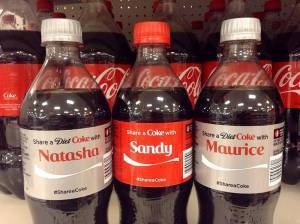
We cannot talk about 2020 without talking about clean labels. Providing product information in a clear, concise, and transparent way augmented customers’ trust in the company’s brand name.
Coronavirus and Food Packaging- The COVID19 outbreak forced the surge of new developments. How long does the covid virus last on cardboard boxes? Does freezing kill coronavirus on food packaging? These questions aroused the greater interest of food brands and customers alike. Many food delivery brands experienced a rise in demand for new packaging ideas for food like disposable plastic packaging for food. The packaging industry focused on innovating packaging material for food to help food brands to meet these demands.
Touchless packaging – The pandemic has also accelerated the development of touchless packaging and operations like the design of touchless dispensers, touchless manufacturing & packaging of pharmaceutical instruments, personal protective equipment (PPE).
The Future of Packaging
The global packaging market is expanding with a 2.8% CAGR to reach US$1.05 trillion by 2024. Let us have a look at certain advancements which seem to dominate the future packaging market.
Optimized packaging solutions (Space and material saving) – Designing optimized packaging which occupies less space with thinner & stronger design, as storing and transporting mass amounts of packaging is also seen as less eco-friendly.
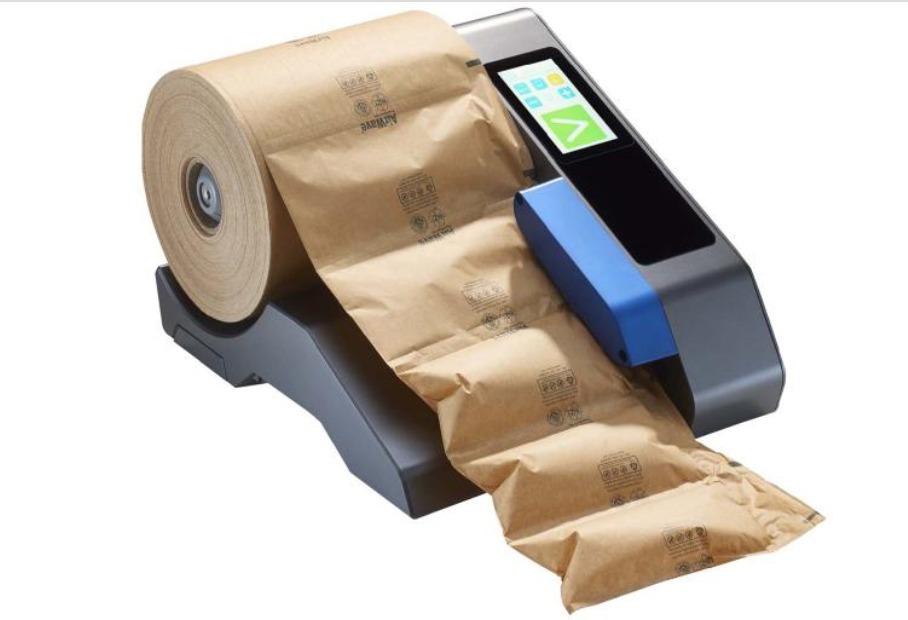
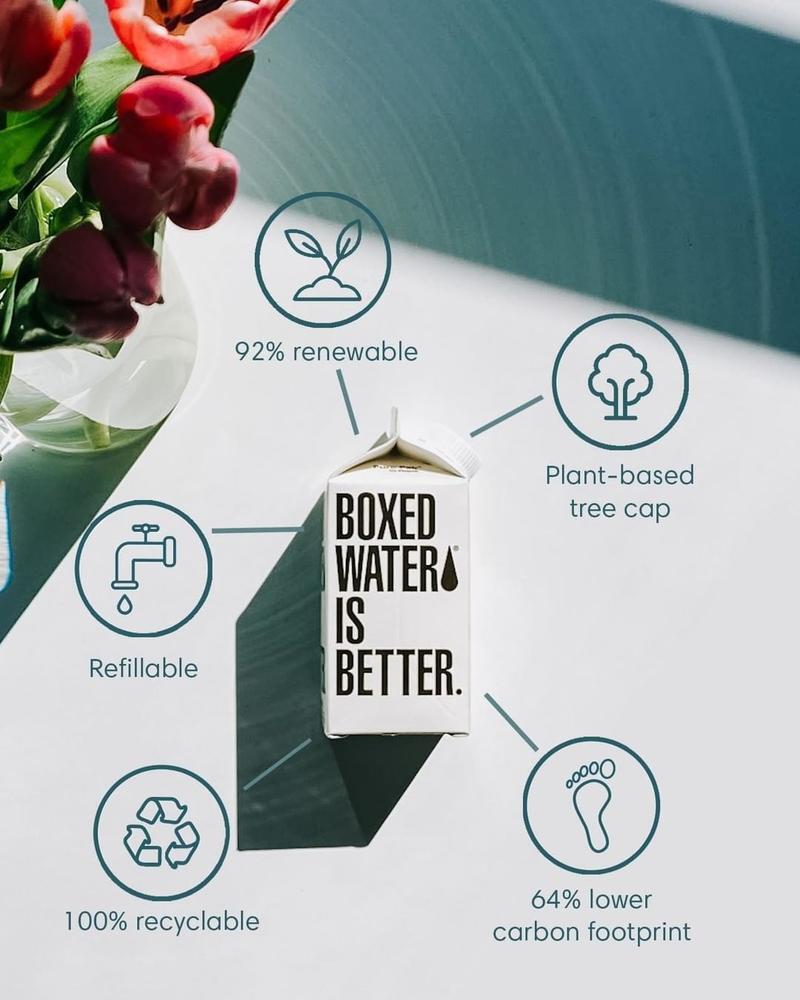
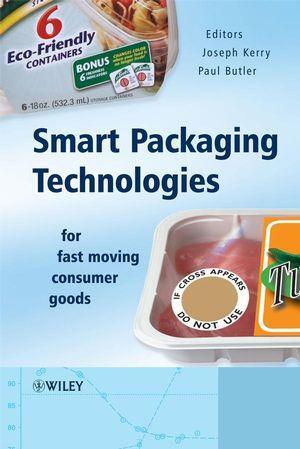
Smart packaging – Rise in the internet of things, RFID, biosensors, screens, compact power sources, and data storage will enable companies to receive comprehensive information on consumers and valuable data on buyer groups.
RFID tags relay information on the real-time location of product packages up to a distance of 100 meters and enable accurate product tracking. With blockchain, supply chain companies can document production updates to a single shared ledger for complete data visibility. Transactions are time-stamped and therefore businesses will be able to track a product at any time.
Edible packing – Use of natural polymers in food packaging, which are biodegradable, do not generate residue, have a low environmental impact, and are consumed by humans. Materials in use include polysaccharides, proteins, lipids, or composites.
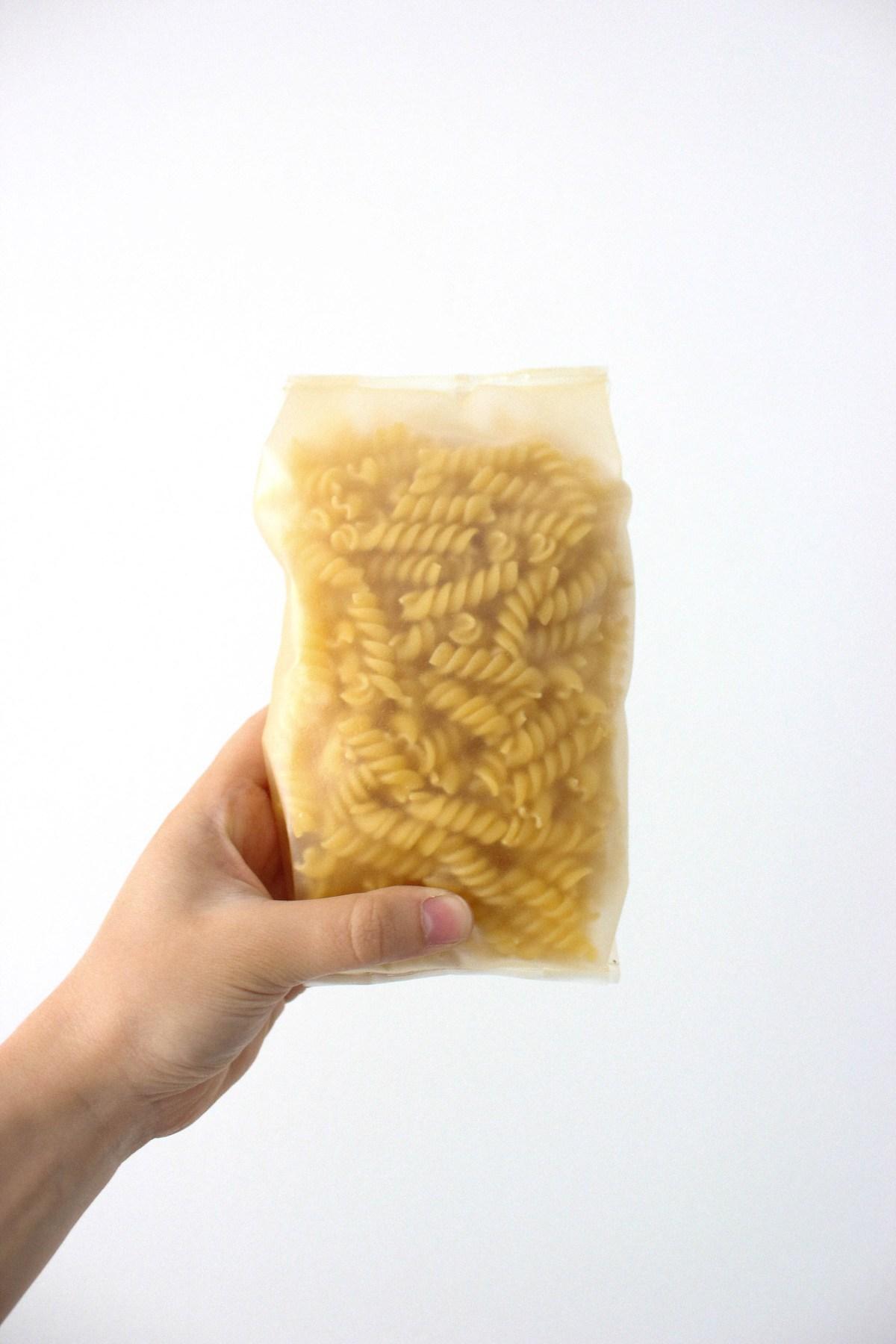
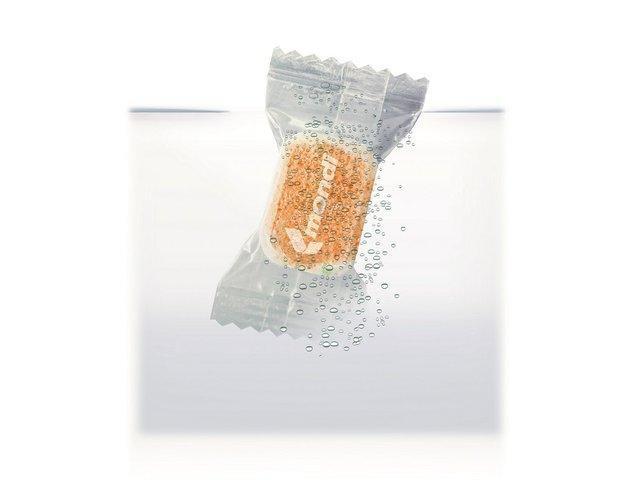
Water Soluble packaging –Such packaging materials will dissolve in hot water. The main ingredients in this bio-based material are polyvinyl alcohol or PVOH, a synthetic polymer created without the heavy toxic metals to act as an alternative to plastic packaging like shopping bag retail packaging.
Self-cooling and Self-heating packaging – The package will self-heat and cool without an external heat source or power. It will be suited for military operations & natural disasters. The science behind this is an exothermic chemical reaction between anhydrous calcium chloride and water.
Active packaging / Antimicrobial packaging – With a CAGR of 6.62%, this market may reach a size of US $31.924 billion in 2026 from the US $20.386 billion in 2019. It will involve the addition or withdrawal of certain gases and liquids within food packages, which will inhibit the growth of pathogenic microorganisms and prolong the shelf life of food.
E-commerce Packaging – The e-commerce shopping experience will become more and more tailored to the customer allowing brands to accommodate their target market even further through packaging. Coming out of the pandemic, there is likely to be a surge in demand for sustainable packaging solutions. In fact, 82% of customers will likely prefer to receive their online order in cardboard boxes over poly bags.
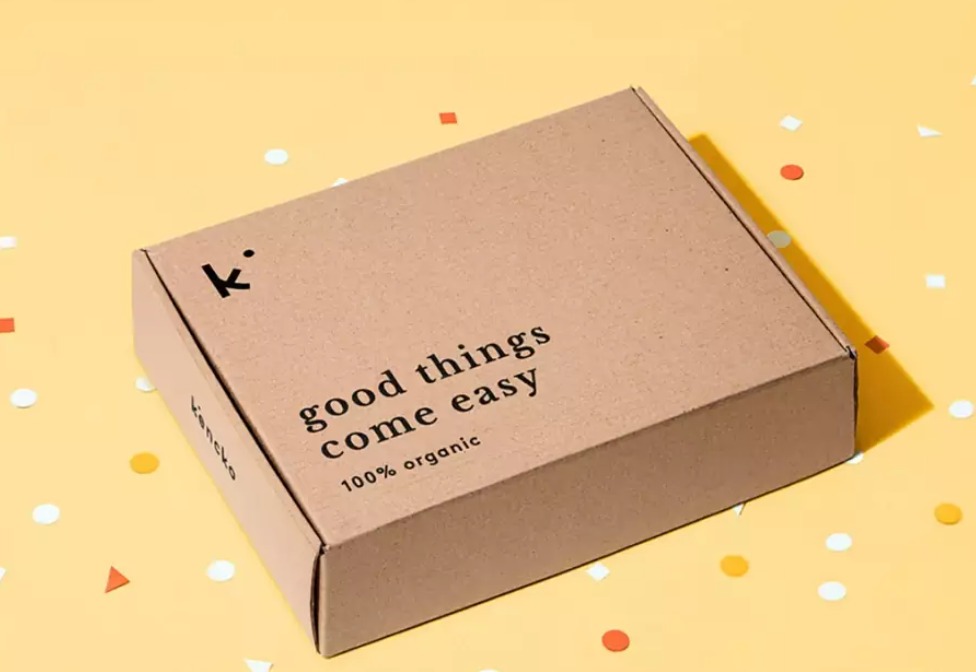
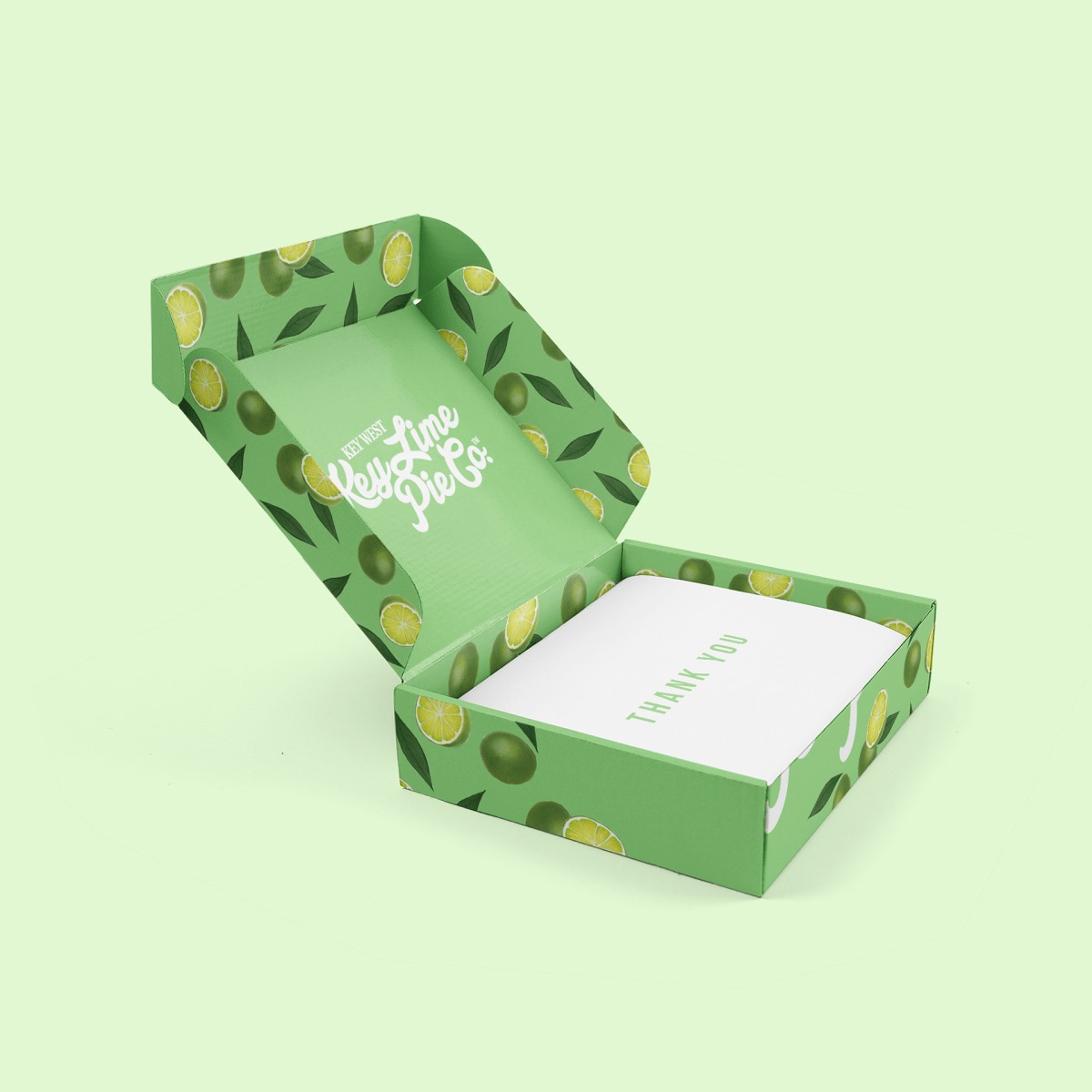
Corrugated Packaging – To achieve sustainable goals, there will be a steep increase in applications for corrugated packaging materials. It will add up to a big win for corrugated box packaging. (30)
3D Printing – 3D printing will allow the packaging industry to manufacture for a much lower price by integrating manufacturing, warehousing, overseas shipping costs, and CO2 emission reductions. (27)
Wrap Up: Rise of Digitally Integrated Packaging Supply ChainsComing out of the COVID19 pandemic, technology integration in packaging will embrace new standards like digitally printed and serialized bar codes, variable data printing, and IoT. Higher technology integration will allow businesses and customers alike to have greater visibility and control on not only their product packaging but also performance metrics like product shelf life, wastage, costs, carbon footprint, and turnaround time across the end-to-end supply chain.
Moglix-Packaging-Solutions-for-Leading-Logistics-Company
Moglix-Packaging-Solutions-for-Leading-Logistics-Company
Moglix Consolidates Packaging Procurement for a Leading Logistics CompanyRead More
Moglix-Packaging-Solutions-for-a-Multi-Site-E-Pharmacy-Retailer
Moglix-Packaging-Solutions-for-a-Multi-Site-E-Pharmacy-Retailer
Moglix enabled packaging procurement for a leading online pharmacyRead More
Packaging_Casestudy_Onlinecatering
Packaging_Casestudy_Onlinecatering
Securing the Freshness of Food On-The-Go for an Online Caterer through Technology EnablementRead More
Packaging_Casestudy_Onlinegrocery
Packaging_Casestudy_Onlinegrocery
Overhauling the Transit of Products for an Online Grocery Through Intelligent Packaging DesignRead More


